Sorority Row, college football, and the social architecture of 2030.
A FIELD REPORT BY MICHAEL HOYDICH · 8 IMAGINED MIDJOURNEY PLATES
“A Greek house is never only a house. It is a recruitment machine, an alumni archive, a dining system, a game-day gate, and a public statement about who the campus expects to be visible.”
Read frontage, procession, shade, winter shelter, and the message a building sends before anyone enters.
00 / BEFORE THE MATCHUP
THE HOUSE IS AN ARGUMENT
The facade is only the first witness.
The SEC and Big Ten do not simply stage different football. Their fraternity and sorority districts organize climate, memory, status, movement, and belonging differently. PointCast puts the rows on an architect’s table, then asks what deserves to survive to 2030.
Sorority Row is often photographed as a string of facades: columns,
lawns, brick, white paint, flowers, bodies arranged on steps. The
architectural reading begins where the photograph usually stops.
Who owns the building? Who pays to enter it? Which council has an
address? Where does the route home begin? Who maintains the kitchen
after the image is taken?
College football makes those questions louder. On Saturday, the
chapter house becomes gate, costume room, hospitality suite,
alumni club, transit stop, and neighborhood amplifier. The game
does not create the social system. It reveals the system at full
volume.
The SEC–Big Ten comparison is a PointCast design reading built from selected official school snapshots, not a conference census or a ranking of students, chapters, or institutions.
POINTCAST DESIGN MATCHUP
SEC / BIG TEN — THE ROW SHOWDOWN
An editorial architecture matchup. No conference-wide winner is claimed.
SEC
Long outdoor season
Porch + lawn + procession
INHERITED STRENGTH
The row can behave like a linear public room. Alumni capital and recruitment scale make ambitious houses possible.
PRESSURE POINT
Monumentality can turn welcome into intimidation. Heat, entry cost, social sorting, and unequal council visibility sit behind the photogenic facade.
2030 MOVE
Open the frontage: shade, water, public calendars, disclosed costs, equivalent accessible routes, and a conference capital pool for underhoused councils.
/
B1G
Interior season
Vestibule + corridor + district
INHERITED STRENGTH
Dense campus neighborhoods and year-round communal interiors can make the row feel like an urban network rather than a parade of objects.
PRESSURE POINT
Aging stock, winter access, deferred maintenance, fragmented oversight, and stark housing gaps between councils become system failures.
2030 MOVE
Connect the rooms: winter commons, shared repair, safe transit, accessible routes, and durable cultural space without forcing every organization into the same house type.
A council without a house is still a council. It is simply asked to make culture without comparable real estate.
This is one campus snapshot, not a national ratio. It is still an architectural fact with cultural consequences: some forms of belonging receive addresses, kitchens, archives, and visible permanence; others do not.
The most consequential room may be the six feet where sidewalk becomes membership.
THE FIRST CONTRACT
THE THRESHOLD
A useful threshold makes cost, time, accessibility, housing obligations, conduct status, and the route to say no visible before belonging becomes leverage.
The National Panhellenic Conference’s own 2025 access guide identifies
unclear cost, hidden time commitments, physical barriers, and uneven
event-space quality as obstacles to joining.
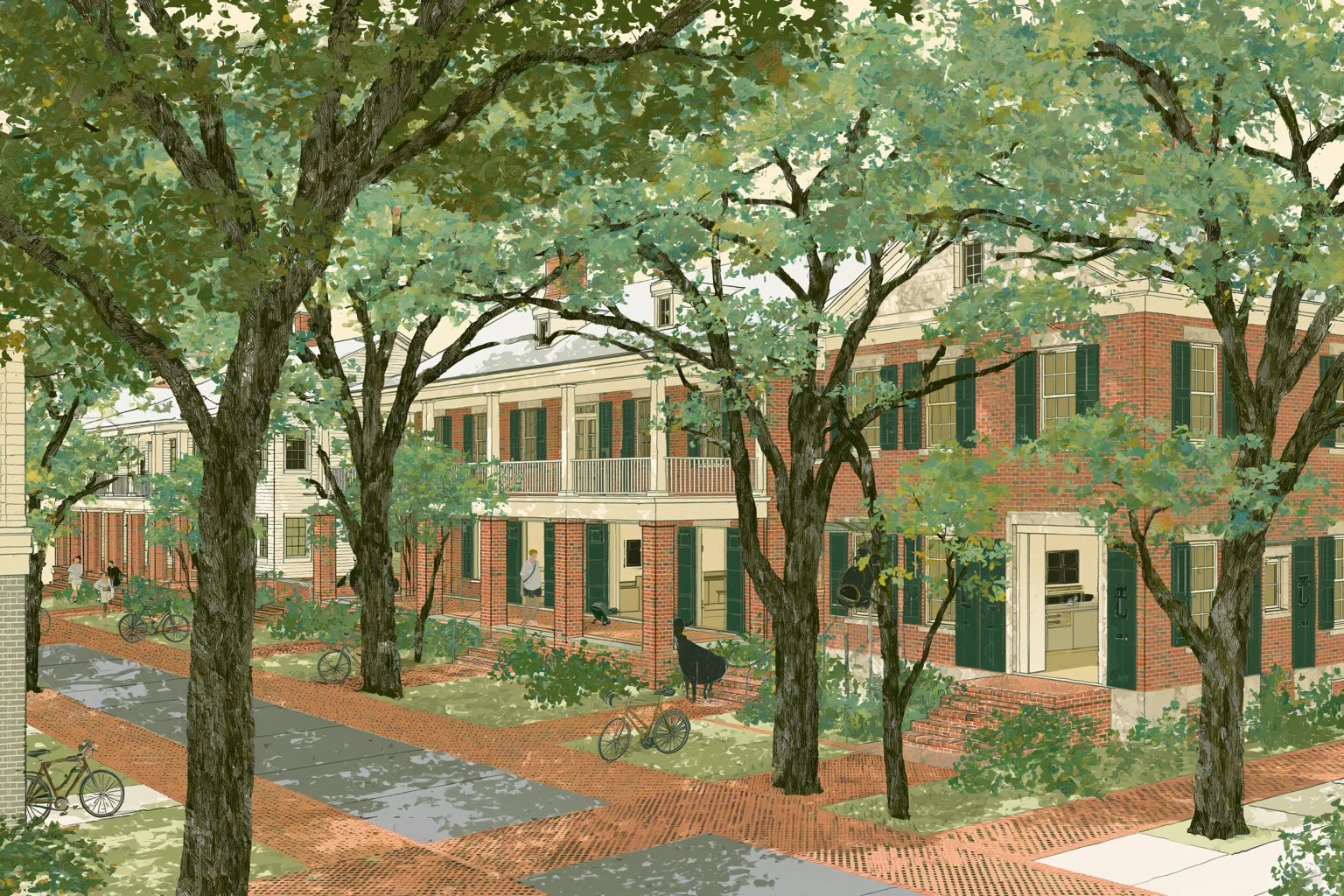
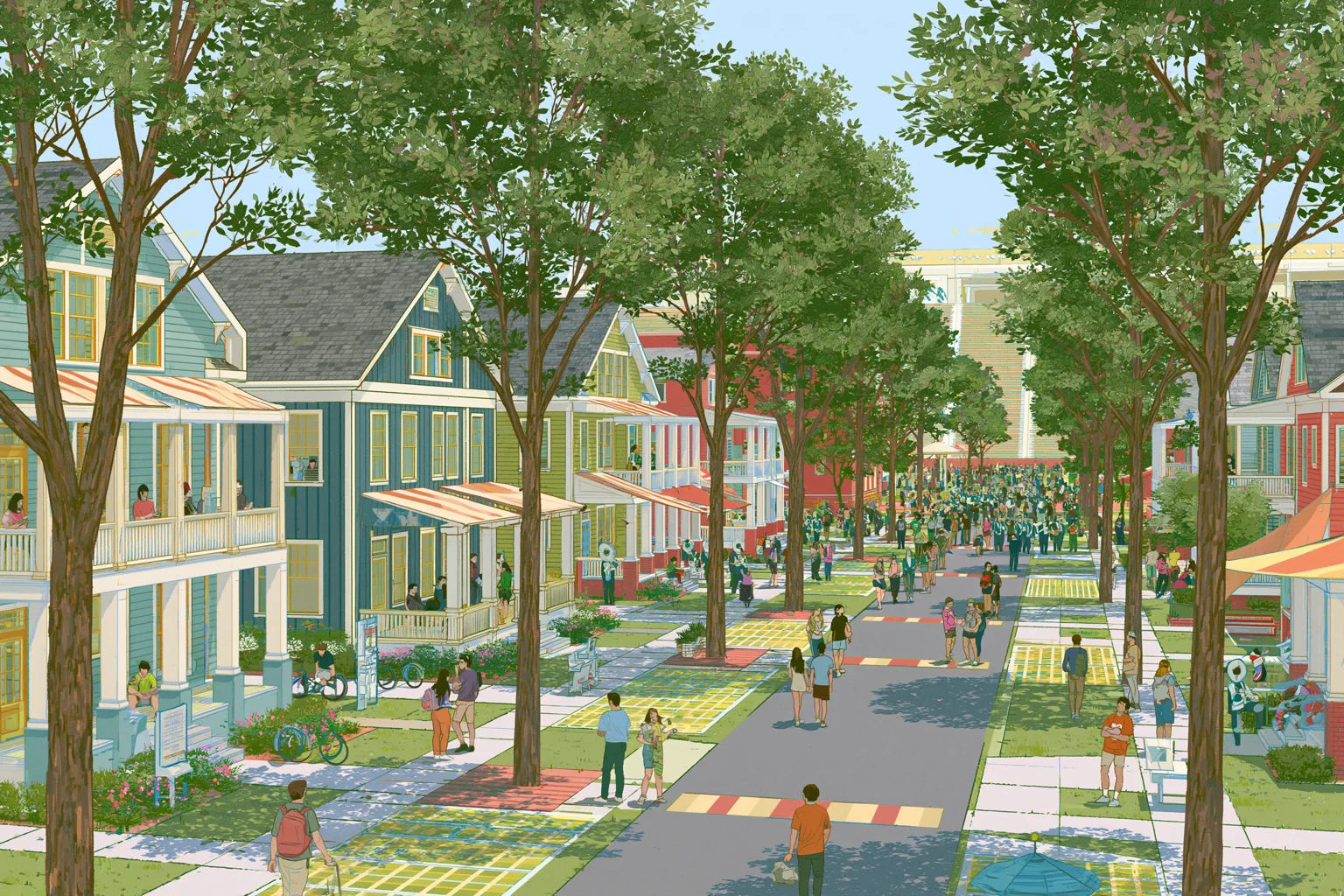
The Southern advantage is choreographic: a long outdoor season lets private houses become a temporary public street.
The 2030 version adds water, shade, neighbors, bicycles, sober mobility, and a public invitation without making safety feel like a penalty box.
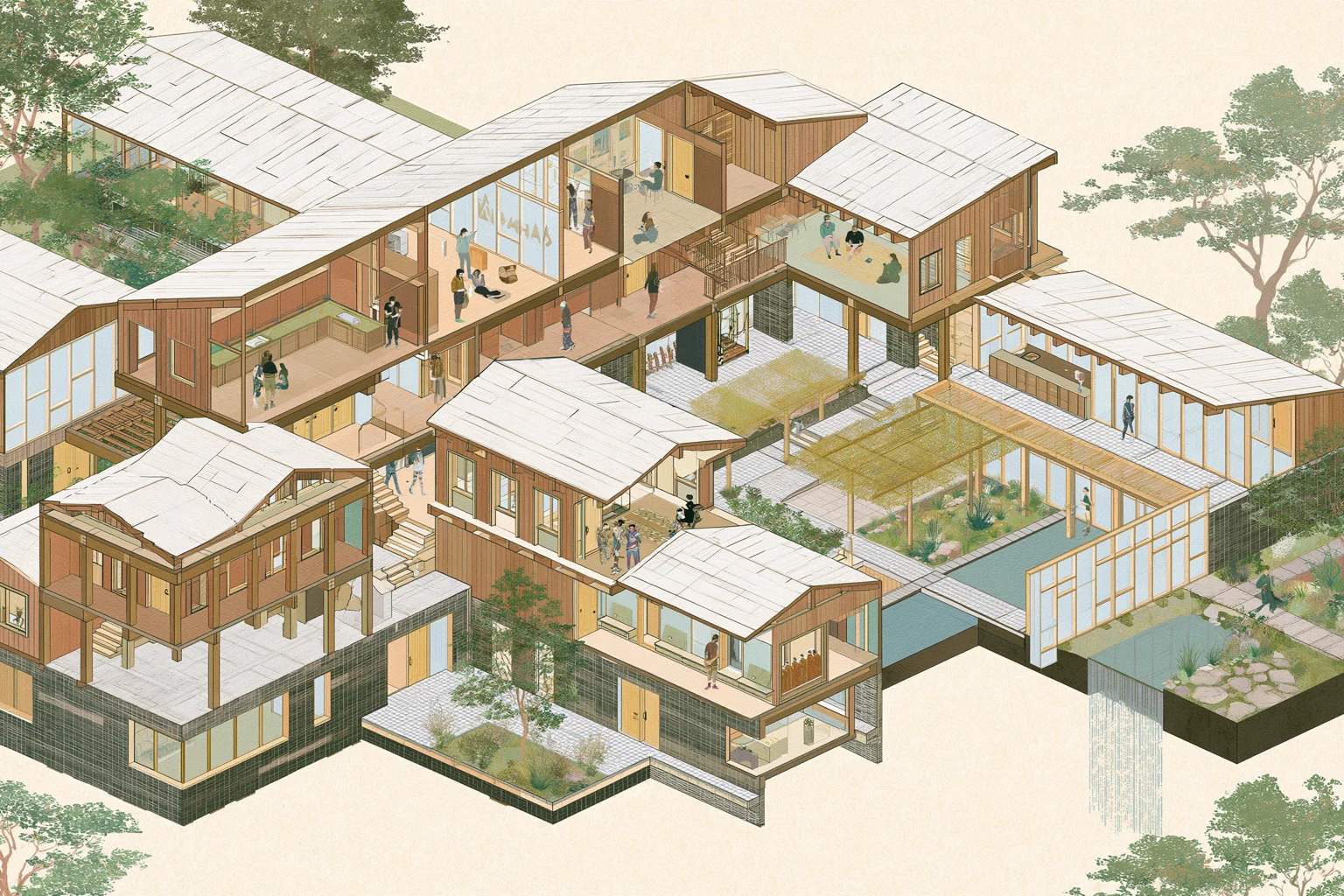
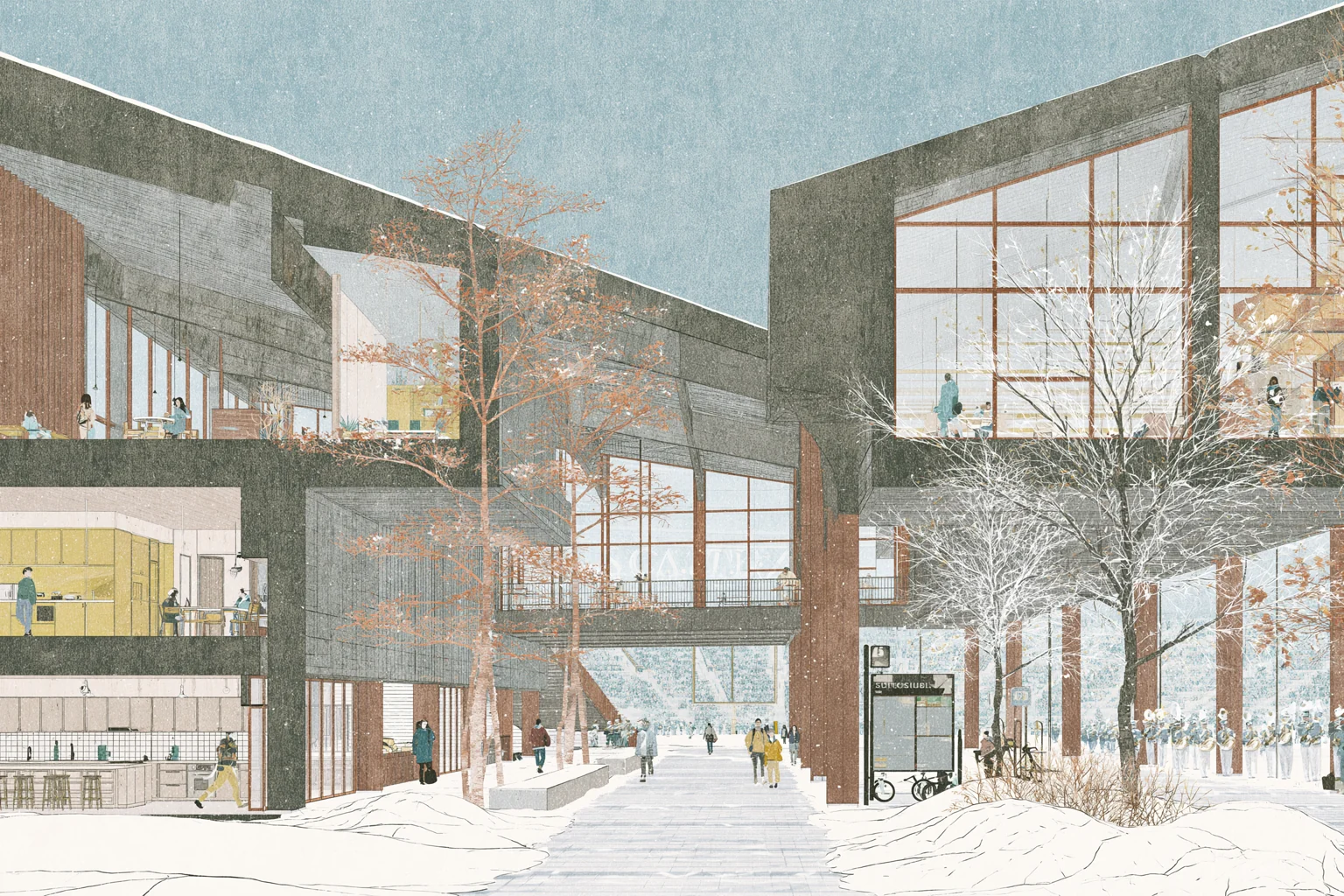
PLATE 06 · Kitchen → vestibule → bowl
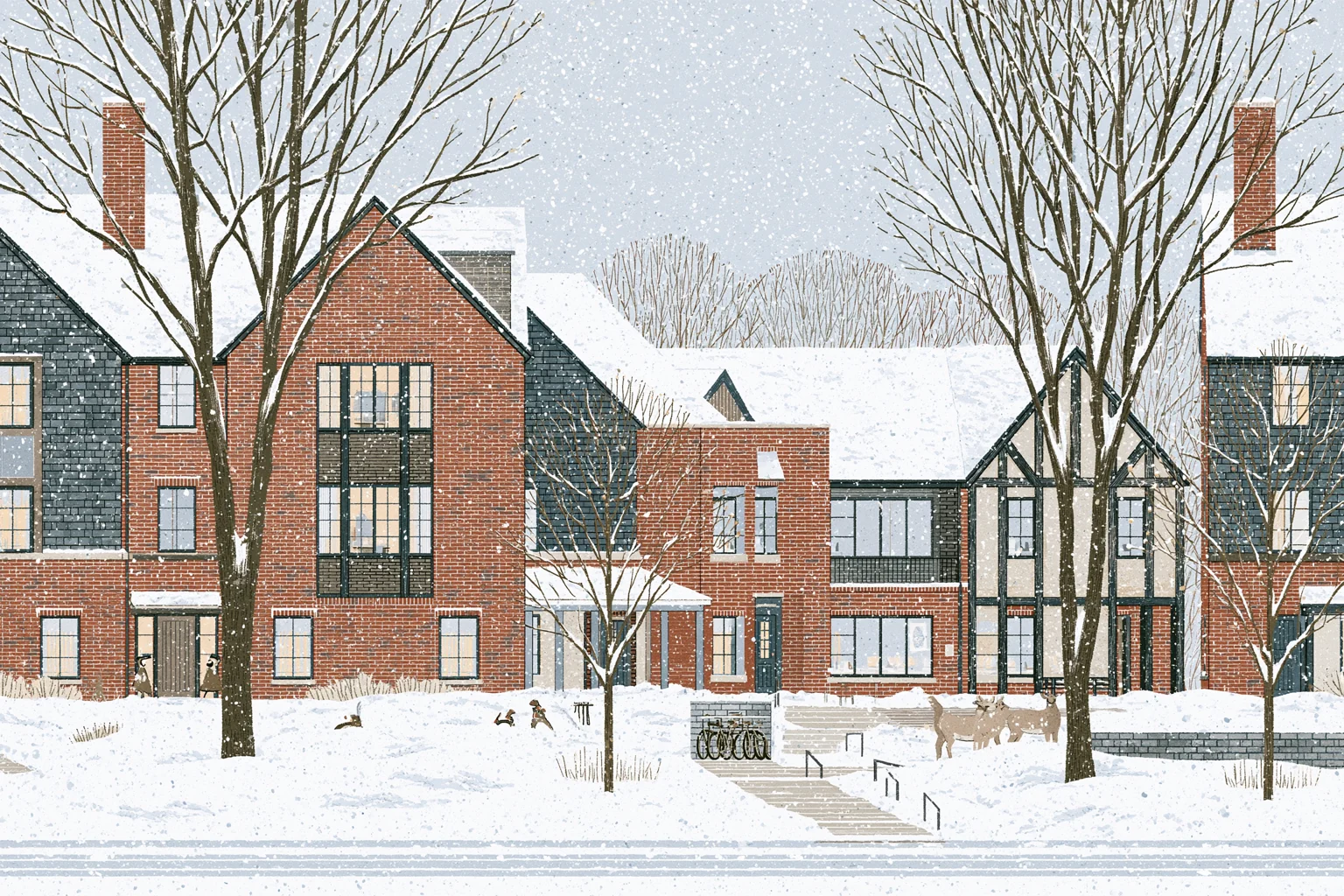
SATURDAY NORTH
The Northern advantage is connective tissue: warm interior, hard threshold, short exterior, then another room.
The 2030 version treats coat repair, hot water, transit, cleared curb cuts, and a place to recover as part of the event architecture.
NATIONAL SCALE / LOCAL CONSEQUENCE
There is no single “Greek life.”
The modern field is a plural system of councils, headquarters,
campus chapters, local organizations, alumni corporations, property
owners, and universities. The familiar row represents only part of it.
NPC375,592
undergraduate members
26 women’s-only member organizations · 2024–25 survey Source ↗NIC6,000+
The Divine Nine · council founded at Howard University in 1930 Source ↗LOCAL1
campus-specific identity
One chapter, no same-name national chapter network Source ↗
01
Inter/national
Network scale without losing the chapter.
WHAT IT CAN HOLD
Shared standards, staff, education, and insurance infrastructure
Portable alumni identity and a much larger mentoring network
Housing corporations and repeatable operational knowledge
WHAT CAN BREAK
Brand and policy can flatten campus specificity
National, council, chapter, and housing fees compound
Formal oversight may still sit far from the daily house
02
Local
The place writes the institution.
WHAT IT CAN HOLD
Singular campus history and greater program autonomy
The chapter can adapt language, calendar, and purpose locally
Potentially lighter bureaucracy and clearer campus accountability
WHAT CAN BREAK
No automatic inter-campus or national support network
Insurance, training, succession, and crisis response may be harder
A small alumni base can make one building problem existential
03
Federated 2030
Local face. Shared back office. Public proof.
WHAT IT CAN HOLD
Chapters retain distinct history, ritual, and local program
A cooperative layer shares insurance, training, procurement, and incident reporting
Capital and professional support can reach small and underhoused councils
WHAT CAN BREAK
Requires real power-sharing, not a new umbrella logo
Cultural governance must remain with the organizations it serves
Common standards need appeal, audit, and anti-capture rules
ORIGINS / PUBLIC HISTORY / LIVING TRADITION
The letters changed before the houses did.
PointCast discusses public history and publicly described traditions. It does not reproduce private ritual, protected calls, step or stroll choreography, insignia, or chapter-specific membership material.
1776
THE GREEK-LETTER KEY
Phi Beta Kappa begins as a secret debating society at William & Mary. It becomes an honor society, not the modern social-fraternity template, but establishes letters, initiation, motto, badge, and secrecy as a durable collegiate language.
Kappa Alpha Society begins at Union College. Union describes it as the oldest continuously active secret Greek-letter social fraternity in the United States.
The Adelphean Society, now Alpha Delta Pi, is founded at Wesleyan College in Macon. Its origin story joins friendship to women’s educational advancement.
Kappa Alpha Theta is founded at Indiana Asbury as the first Greek-letter fraternity for women, after Bettie Locke declined symbolic affiliation without full membership.
The National Pan-Hellenic Council is founded at Howard University. The Divine Nine grows from Black collegiate life under racial exclusion and centers scholarship, service, advocacy, culture, and lifelong membership.
The Stop Campus Hazing Act becomes law. Covered institutions must report hazing incidents and publish policy, prevention, and investigation information through the campus-safety framework.
PointCast proposal: every tradition keeps only the authority it can pair with safety, access, usefulness, financial legibility, cultural respect, and evidence.
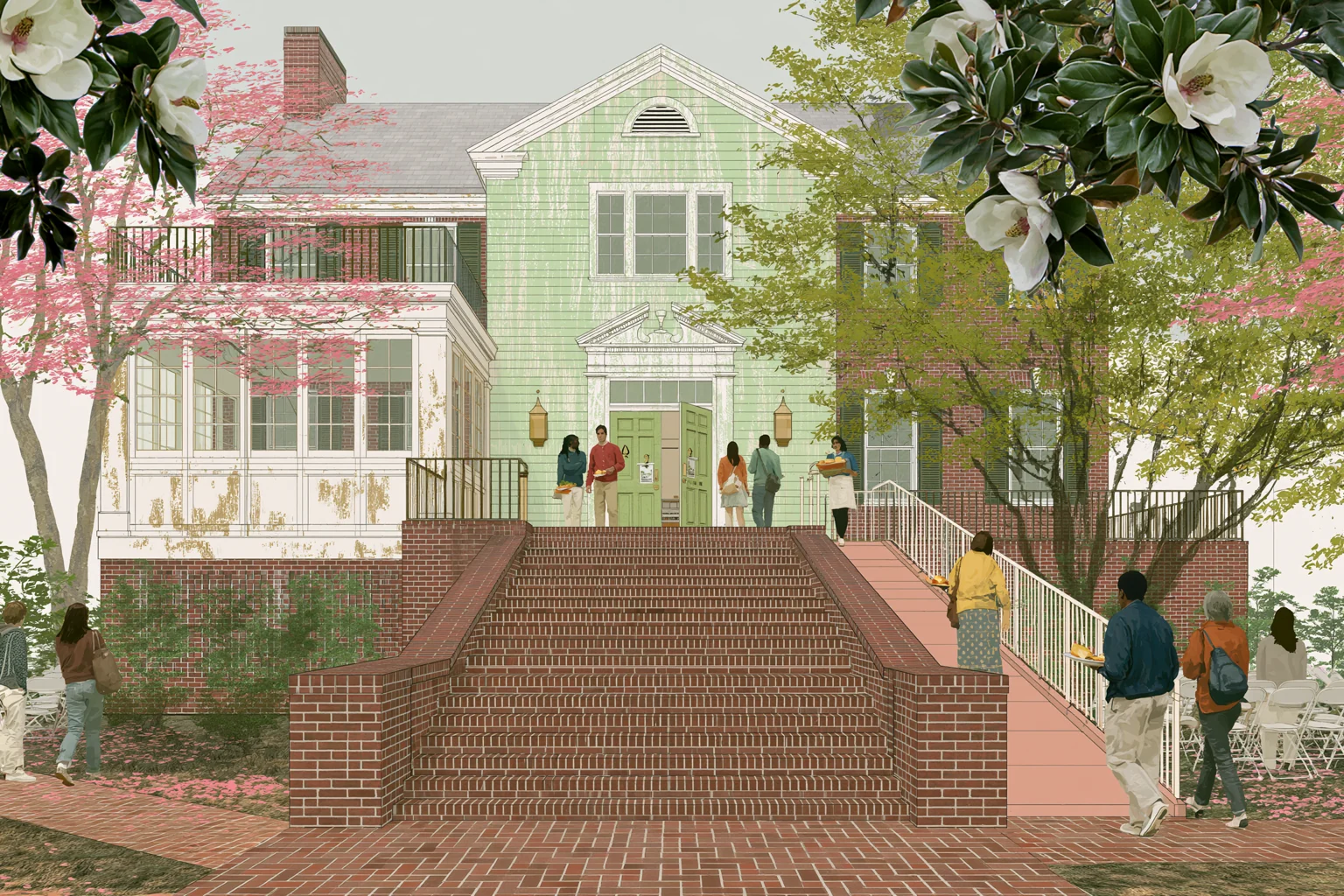
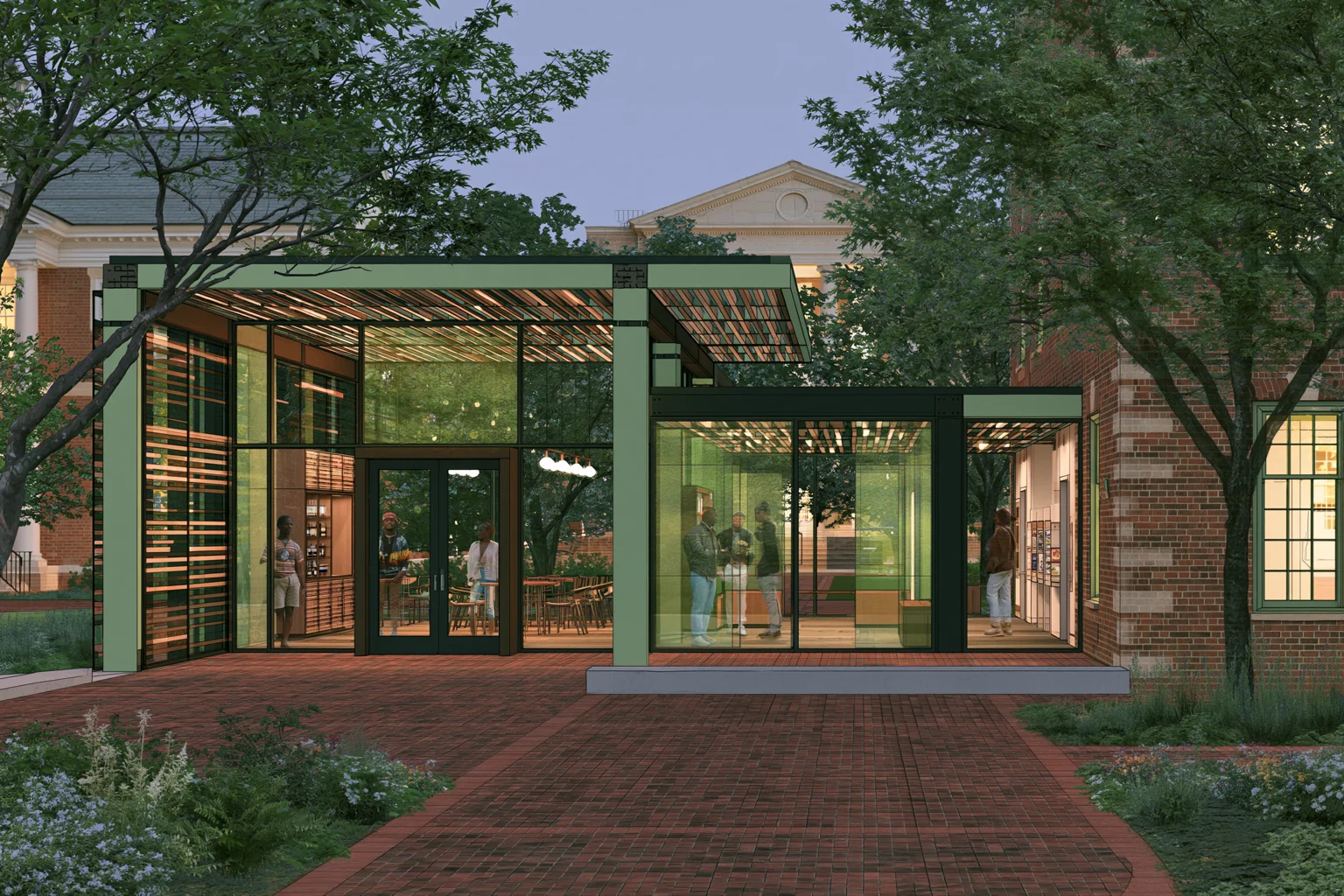
PLATE 07 · Capital / visibility / council parity
CAPITAL IS A TRADITION TOO
THE MISSING HOUSE
“When some councils receive monumental houses and others receive a meeting-room reservation, the campus has already drawn a hierarchy.”
Parity does not require copying the mansion. It requires durable, culturally specific space for archive, rehearsal, service, alumni, intake, quiet conversation, and public presence.
The NPHC was founded in 1930 in response to an academic world
structured by racial exclusion. Its public tradition joins
scholarship, service, cultural preservation, advocacy, and lifelong
membership. A 2030 campus should fund the spaces those practices
require without treating another council’s mansion as the default
architectural answer.
A ritual can remain private. Its safety contract cannot.
The Stop Campus Hazing Act became law on December 23, 2024. It adds
hazing incidents to campus security reporting and requires covered
institutions to disclose current hazing policy, reporting,
investigation, and prevention information. The law applies across
student organizations—not only fraternities and sororities.
Do not wait for the future house to start changing the contract.
01
Deploy now → 2027
THE OPEN LEDGER
Belonging should never require a blind financial or safety commitment.
01One comparable public sheet for dues, initiation fees, housing obligations, live-in rules, fines, average weekly time, accessibility, and available aid.
02One chapter-status record linking recognition, recent conduct outcomes, advisors, property operator, and current insurance—not a reputation spreadsheet.
03A two-step commitment: private questions and cost review happen before any binding membership decision.
04A twice-yearly campus hazing transparency rhythm becomes the floor; chapters publish what they changed, not only what was charged.
PROOF: A prospective member can understand the full contract in ten minutes without knowing an insider.
02
Pilot 2027 → scale 2029
THE COMMONS COMPACT
The best square footage on the row should do some work for people beyond the chapter.
01Each housed chapter assigns a public-use percentage to study, service, cooling or warming, rehearsal, mutual aid, and game-day mobility.
02The campus and alumni fund a capital-parity pool for NPHC, multicultural, local, and small chapters that lack durable space.
03No forced mansion template: each council defines culturally appropriate archive, ritual, rehearsal, intake, alumni, and service needs.
04SEC campuses compete on shade, water, and porch hospitality; Big Ten campuses compete on winter paths, warming rooms, and connected interiors.
PROOF: Space access by council improves without erasing organizational difference.
03
Design 2027 → federation 2030
THE LOCAL FACE / NATIONAL BACK OFFICE
Local identity and professional risk infrastructure do not have to be opponents.
02Local organizations keep their name, ritual, membership rules, alumni governance, calendar, and campus-specific program.
03National chapters can opt into the same campus utility layer without surrendering headquarters relationships.
04Annual audits test safety, accessibility, financial clarity, maintenance reserves, and member voice—not aesthetic conformity.
PROOF: No chapter stays unsafe merely because it is small, and no chapter loses its history merely because it needs infrastructure.
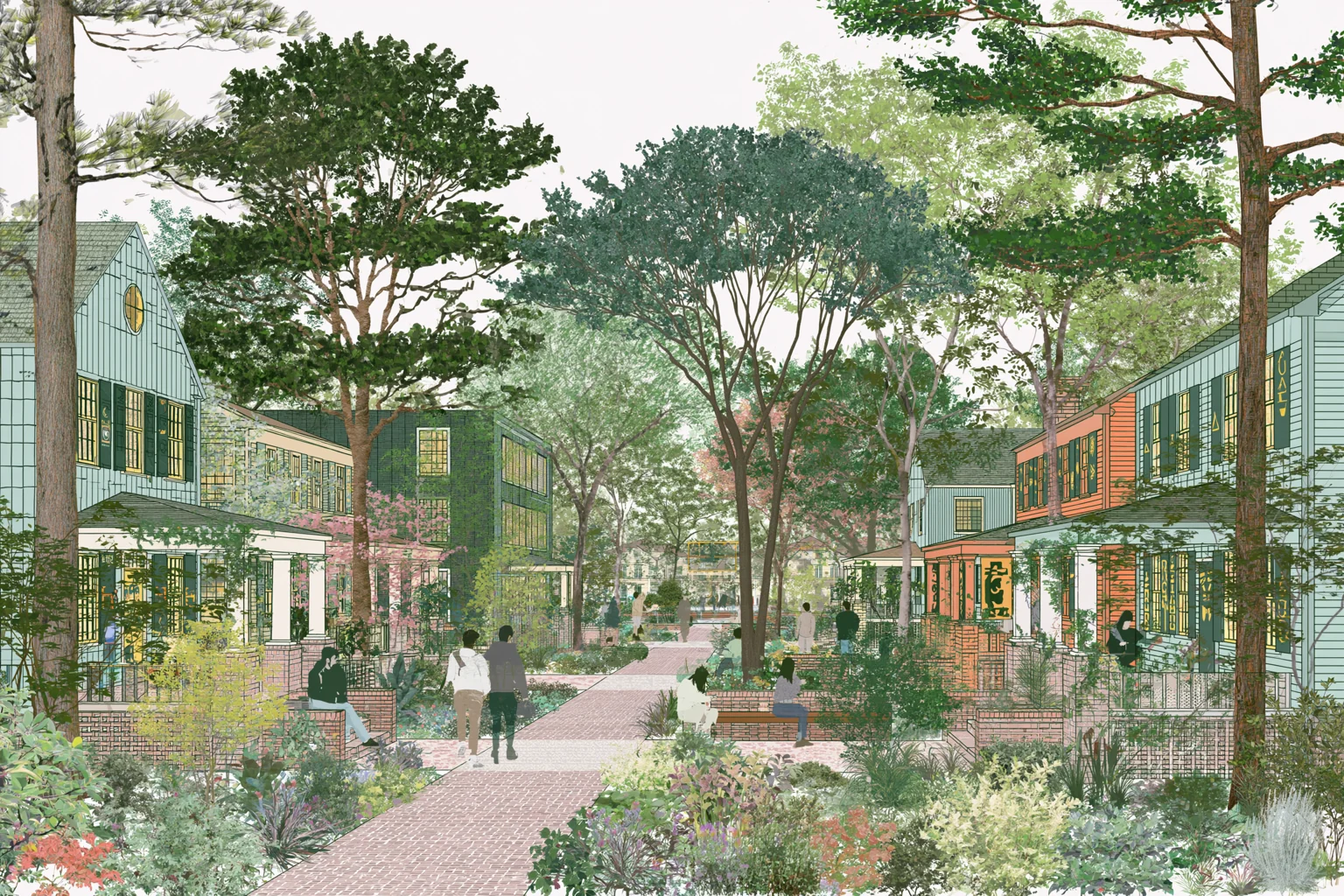
PLATE 08 · Keep the porches / change the contract
THE FINAL RENDER IS A GOVERNANCE DIAGRAM
ROW 2030
The future is not one universal house. It is a federation of distinct homes sharing the things that should never have been scarce.
Keep ritual, memory, intimacy, and difference. Share capital access, late-night mobility, repair, climate shelter, public rooms, reporting, and the obligation to leave the street better.
01A house may be private without being opaque.
02Tradition is evidence to examine, not permission to stop examining.
03No council should be architecturally invisible.
04The safest route home belongs in the game-day plan.
05A ritual can remain secret; its safety contract cannot.
06The porch, mudroom, kitchen, and sidewalk are all governance.
RECEIPT WALL
The rendering is speculative. The field report keeps its sources.
01
Office of Fraternity & Sorority Life
University of Alabama · Fall 2025 / accessed July 28, 2026
13,047 preliminary members · 40% of main-campus undergraduates · 70 organizations
Independent PointCast editorial research and speculative design. It is not affiliated with or endorsed by any college, conference, fraternity, sorority, council, athletic program, or governing body. School figures are dated snapshots from linked official sources and should not be compared as a single normalized dataset. Images are imagined editorial scenes, not documentary photographs of real people, chapters, campuses, or houses.
CONCEPT + EDITORIAL DIRECTION
Michael Hoydich
RESEARCH + WRITING + DESIGN + BUILD
Michael Hoydich with Codex / OpenAI
IMAGE DIRECTION
Michael Hoydich with Codex / OpenAI
IMAGE GENERATION
Midjourney V8.1 · 8 selected plates
Midjourney job IDs, image indices, prompt summaries, source records,
dated-field boundaries, and editorial flags travel with the
JSON edition ↗.