Start hereWhat’s an API?
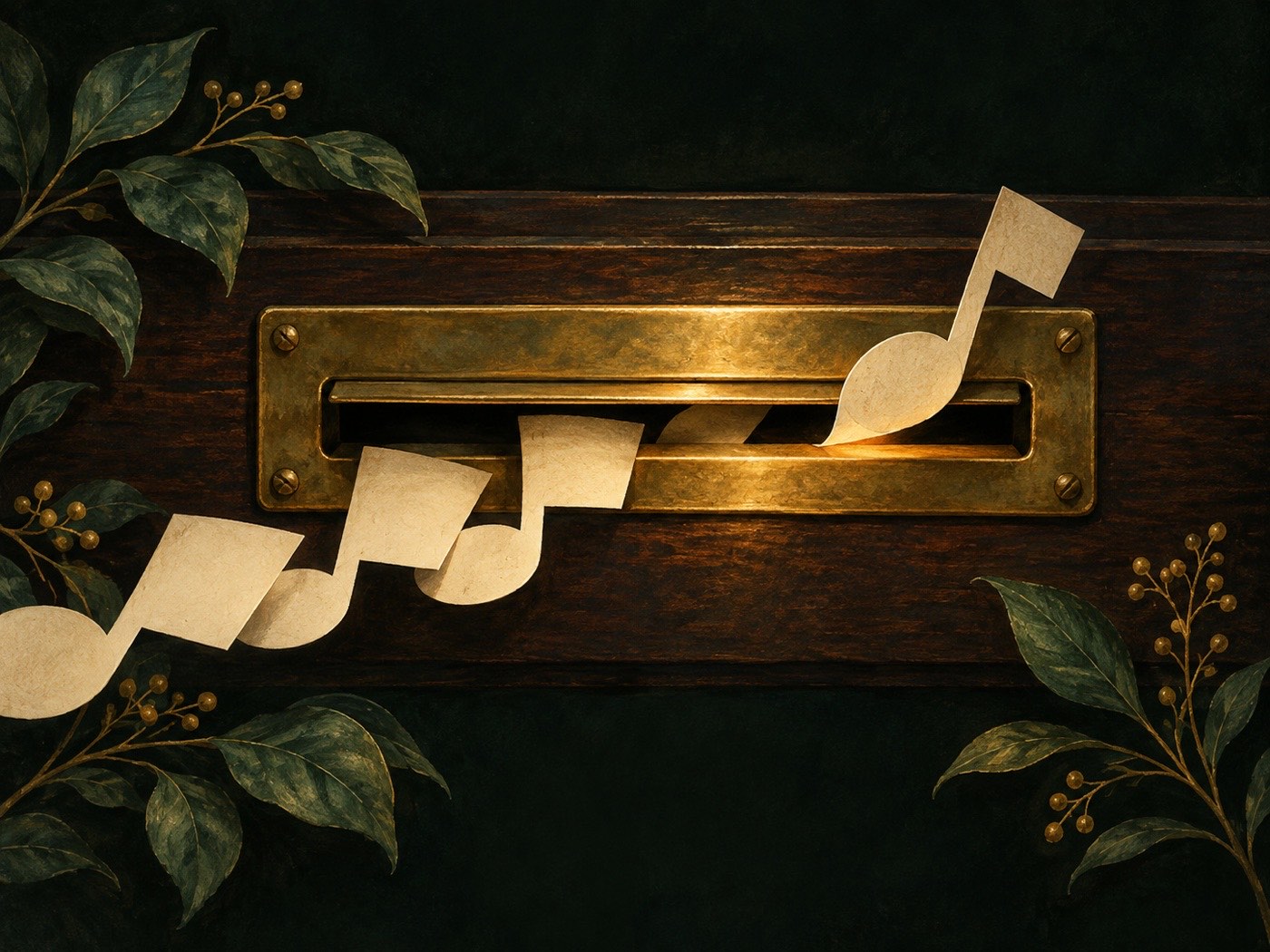
Picture a mail slot in a door. You don’t know what’s behind the door. You don’t need to. You know one thing: if you push the right kind of envelope through the slot, the right kind of envelope comes back.
That’s an API, an application programming interface. It’s a promise one program makes to every other program: send me this, and I’ll send you that. The weather app on your phone doesn’t own a weather station. It asks a weather API. The map in a ride app asks a maps API. Almost everything on your phone is a bundle of promises like this, stacked up and passed around.
Here’s one we built at PointCast this week. It’s a single shared keyboard for the whole town. Every note anyone plays, on any of our thirty or so keyboard apps, on someone else’s website, or from an AI agent, lands on one counter. The counter’s promise is simple. Ask it a question and it answers.
Your first API call
Lab 1 · livePress the button. Your browser sends a real request to pointcast.xyz and shows you exactly what comes back. Then tap any gold word in the answer to find out what it means.
The request you sent
GET means “just tell me.” No envelope inside, only the address.
The response 200 OK
That little block of text is called JSON. It’s the envelope most APIs use: labels on the left, values on the right. It isn’t pretty, and it isn’t meant to be read by people. It’s meant to be read by programs. That’s the trick, and it’s why this matters. Anything that can read that envelope can build on it.
The four partsEvery request has an address, a verb, an envelope, and an answer
Once you can see these four things, you can read almost any API on earth:
- The address (the URL). Where the slot is.
- The verb. GET means “tell me.” POST means “take this.” There are a few others, but those two carry most of the internet.
- The envelope (the body). What you’re handing over, if anything.
- The answer, which starts with a status number: 200 means “fine,” 400 means “I didn’t understand your envelope,” 500 means “something broke on my side.”
Let’s send an envelope. Play a few notes below. Watch the body fill in as you play, then post it to the town. You can also send it broken on purpose. Learning what a good error looks like is half of building.
Send something back
Lab 2 · liveTap the keys, or type A S D F G H J K. Each note is a number (60 is middle C). Nothing you type in words ever leaves this page. Only these numbers do.
The request building…
The response —
Play a few notes, then POST them.
An API is a contract between strangers. That’s the whole magic. People who will never meet can build on the same thing, at the same time, without asking permission.
Why it’s interestingStrangers, building together
Here’s what I find beautiful about this. We didn’t build one keyboard app. We built one small promise, and then things started plugging into it. A diary that plays as you write. A radio station that plays everyone’s phrases. Fireflies, frogs, a whale that sings your song back. A clock that chimes in the town’s key of the day. Each one is a stranger to the others. They all speak the same envelope.
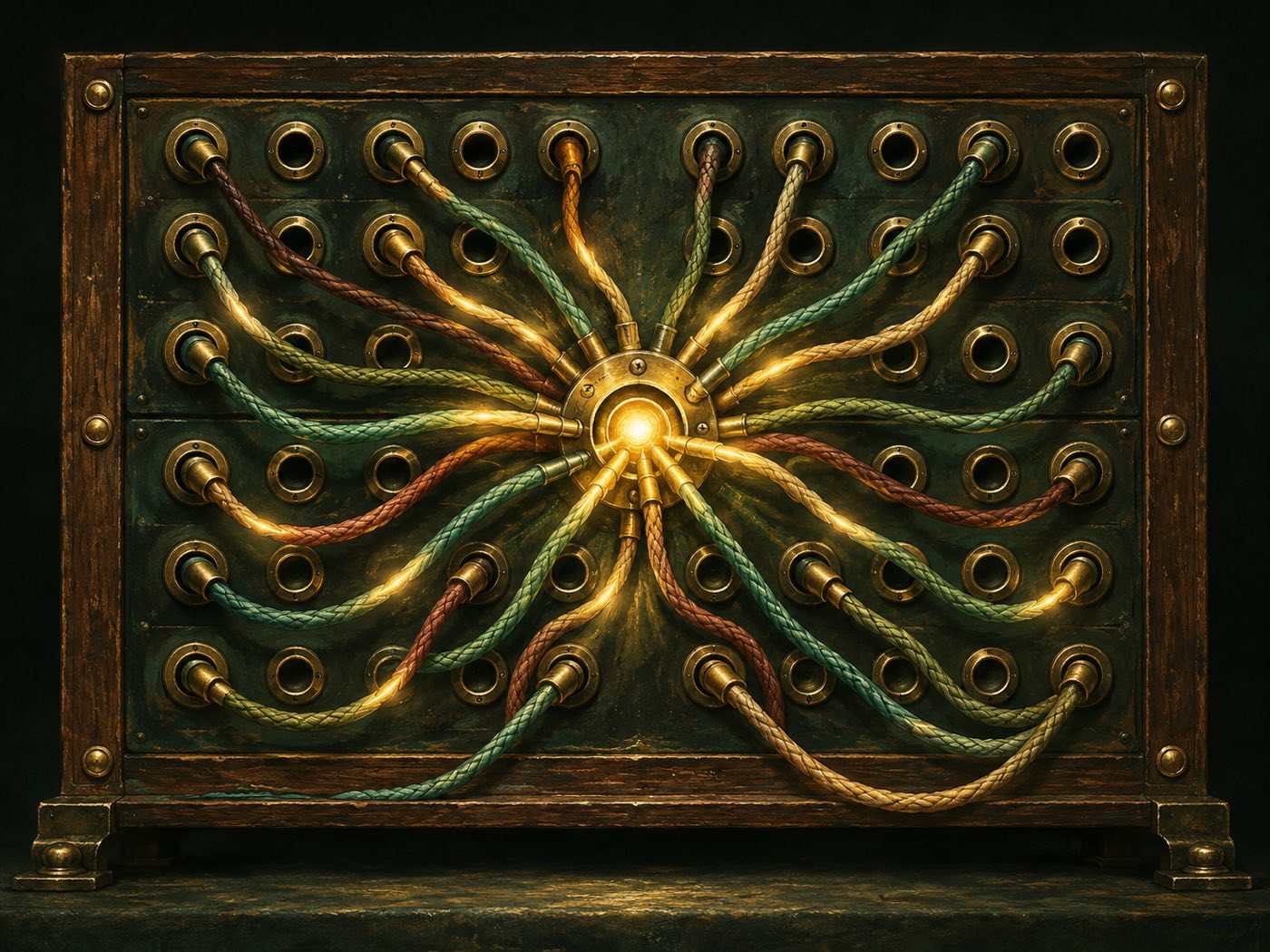
This is the switchboard, running right now. Every dot is a phrase that reached the counter from somewhere: a PointCast page, another website, a Claude artifact, an agent, or a script someone ran from a terminal. Play something in Lab 2 and you’ll see your own dot fly in.
The switchboard
Lab 3 · live · every 3sThis page is polling GET /api/keyboard/signal?since=…, which means “anything new since the last thing I saw?” That’s how most live dashboards work under the hood.
If you have an agentYou already have a builder
For most of the internet’s history, the hard part of an API was the code around it. You had to learn a language, set up a project, read the docs, and wire it all together. That was a lot of the job.
That part is getting easy. If you have an AI agent (Claude, Codex, anything that can write and run code), you can describe what you want and let it do the wiring. This week, agents built twenty-two new keyboard apps for PointCast in a few days. Claude designed the API and wrote the first two. Ten more came from Sonnet. Ten came from Codex, which painted its own illustrations. I mostly pointed and asked questions.

So what’s the new skill? It’s knowing what an API promises and describing what you want to exist. Your agent reads the promise the same way it reads JSON. What it can’t know is what you want. Pick something below and I’ll write the first message to your agent for you. Copy it, paste it in, and see what comes back.
Talk to your agent
Lab 4 · copy & pastePick an idea. The message includes the API’s full promise, so your agent has everything it needs.
keyboard_play directly from the PointCast connector.The bountiful partWhat could grow here
Here’s the part I keep thinking about. When the wiring is cheap, the interesting question stops being “can we build it?” and becomes “what should be connected to what?” Small, open, friendly APIs are the seeds. Agents are the rain. Some things I’d love to see grow from one shared keyboard:

- A town that has a key. Every day, the notes everyone plays add up to a key signature, a musical mood for the whole place. Today’s lives in the
key.todayfield you saw in Lab 1. - Instruments that cross websites. A button on your blog, a piano in a friend’s newsletter, a frog in a classroom. All of it plays one song.
- Objects that sing. A watering can, a doorbell, a bike bell, a plant sensor. Anything that can send a POST can play a note.
- Agents as bandmates. An agent that listens to the
?sincefeed and answers every phrase with a harmony. It’s already possible. It would take an afternoon. - Classrooms and families. Four kids, four phones, one quartet, with no accounts and no app store.
- Gentle data. The counter never stores words, names or IP addresses. Writing apps send only a shuffled handful of pitches. You can build something shared without building something creepy.
- Leagues, seasons, games that anyone can enter by tagging their app with a name.
None of these needs a company, a meeting, or a permission slip. Each one needs an idea, an agent, and one open promise to build on.
Honest limitsWhat this API is not
It’s a toy, on purpose. Anyone can post to it, so the numbers are a celebration, not a ledger. Posts are small and capped, and each app’s league points are capped per day. It won’t hold your secrets, because it never asks for them. When you build on someone else’s API, ask the same three questions: what does it promise, what does it keep, and what happens if it goes away? Good APIs answer all three in plain language. This one tries to.
The internet was always a place where strangers could build together. APIs are how. What’s new is that almost everyone now has a builder in their pocket. So find a promise you like, describe the thing you wish existed, and play a note.
— Michael HoydichEl Segundo, California · September 29, 2026