POINTCAST

RAILROAD TIME · A SPEAKABLE HISTORY

PUBLISHED · 2026
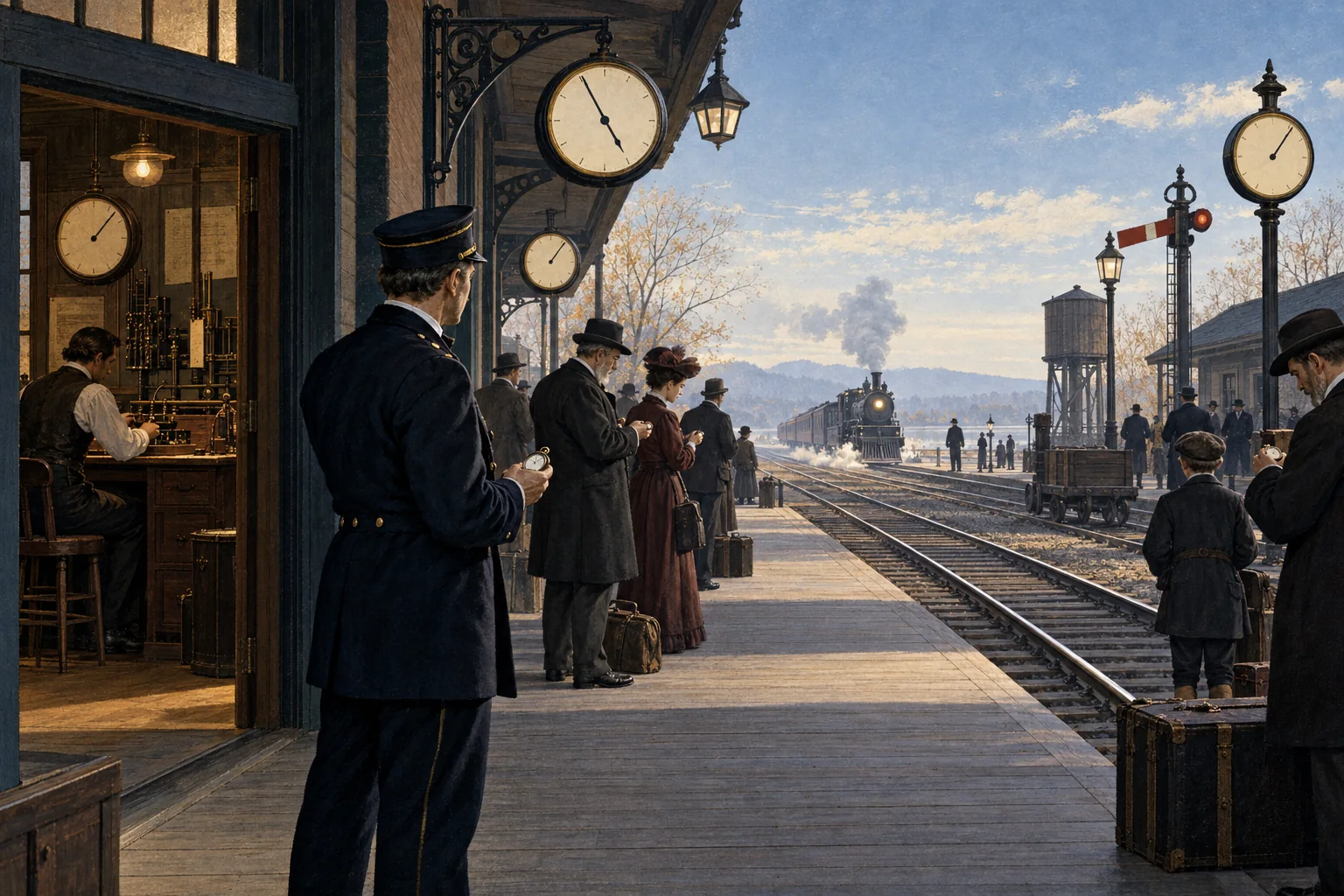
An illustrated 1883 railway station with multiple clocks and passengers consulting timetables.
NORTH AMERICA · 18 NOV 1883 PLATE 03 / 04

THE LIVING LINE · CHAPTER ONE

The line
that made time.

Ask a question out loud. The station listens once, moves you to an era, and changes the world around the answer.

ORIGINAL POINTCAST PLATE OPENAI-GENERATED HISTORICAL INTERPRETATION Not a documentary photograph

Where should we go?

Microphone is off. You can also type or choose a station.

One tap, one utterance. PointCast does not receive or store microphone audio or transcripts. Your browser or device may use its speech service; type instead whenever you prefer.

TRY SAYING

1883

Railroads needed every clock to agree.

Before standard time, towns set clocks by the local sun. That left North America with hundreds of local times and railroads juggling roughly fifty operating standards. On November 18, 1883, the railroads adopted standard zones. In some places, people experienced two noons: one by the sun and another by the new railway clock.

WHAT MOVEDTimetables became legible across long distances.
WHAT SHIFTEDLocal solar time gave way to a network’s clock.
“Whose clock are you living by?”
SOURCE RECEIPT · SMITHSONIAN NATIONAL MUSEUM OF AMERICAN HISTORY · SYNCHRONIZING TIME ↗

History is not a straight line.

Every stop adds a mark to this visit. The facts stay fixed; your route through them changes with the questions you ask.

Your railroad history route Four stations from 1825 through 1964. Visited stations illuminate as the journey changes. 1825 1869 1883 1964
1 / 4 STATIONS VISITED

Four stops. Four receipts.

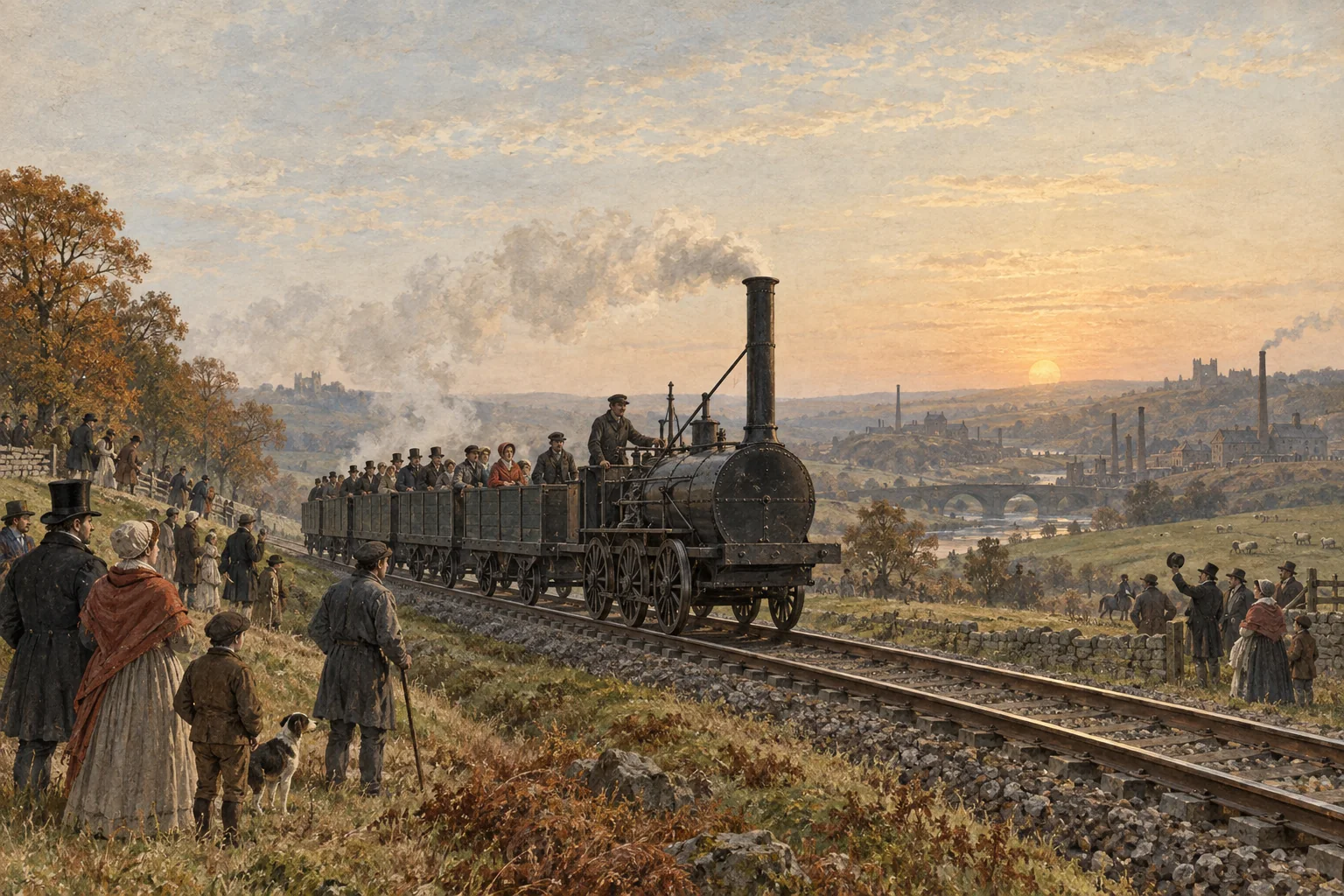
  1. 1825Historic England · Stockton & Darlington overview ↗
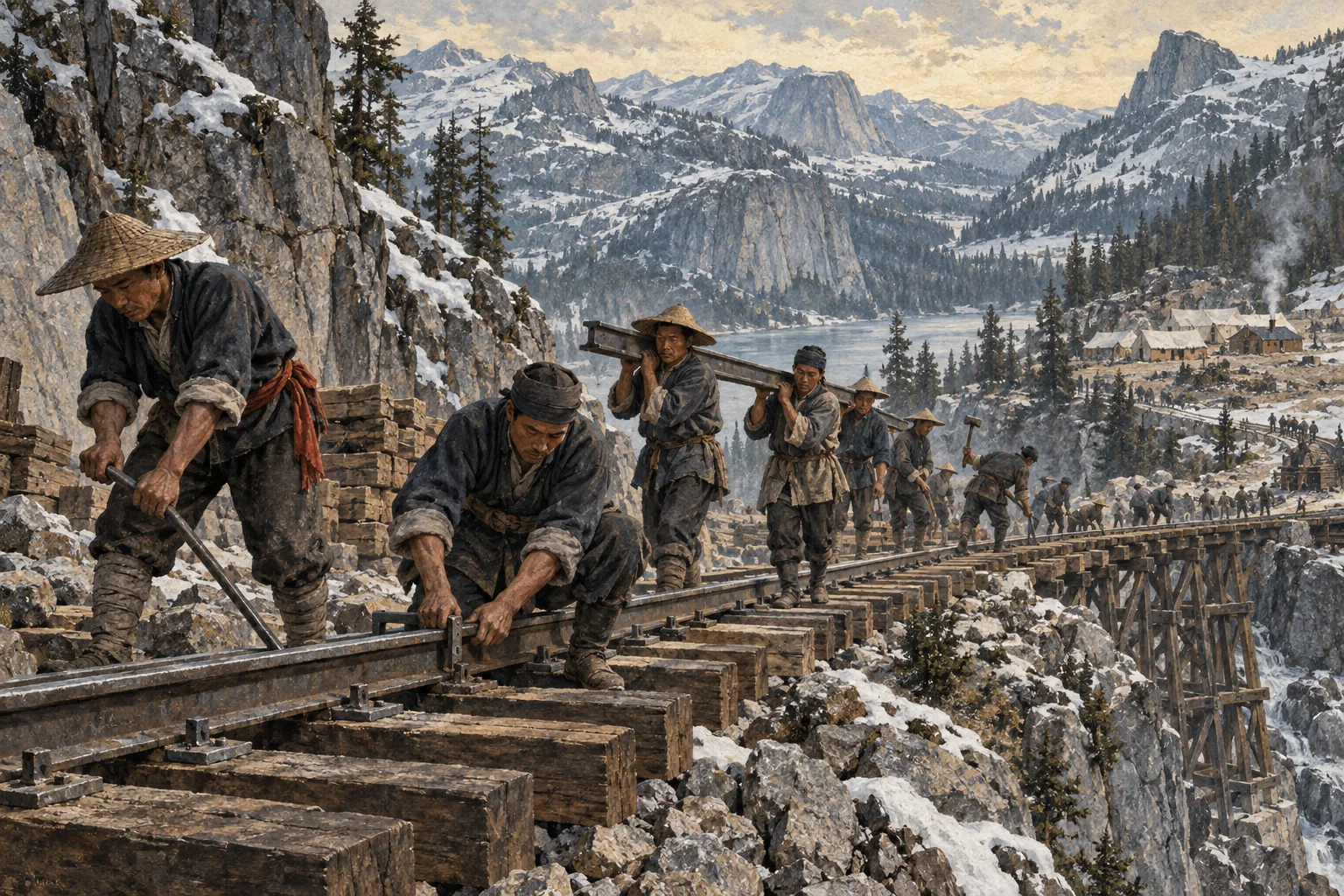
  2. 1869National Park Service · Archeology of Chinese laborers ↗
  3. 1883Smithsonian National Museum of American History · Synchronizing time ↗
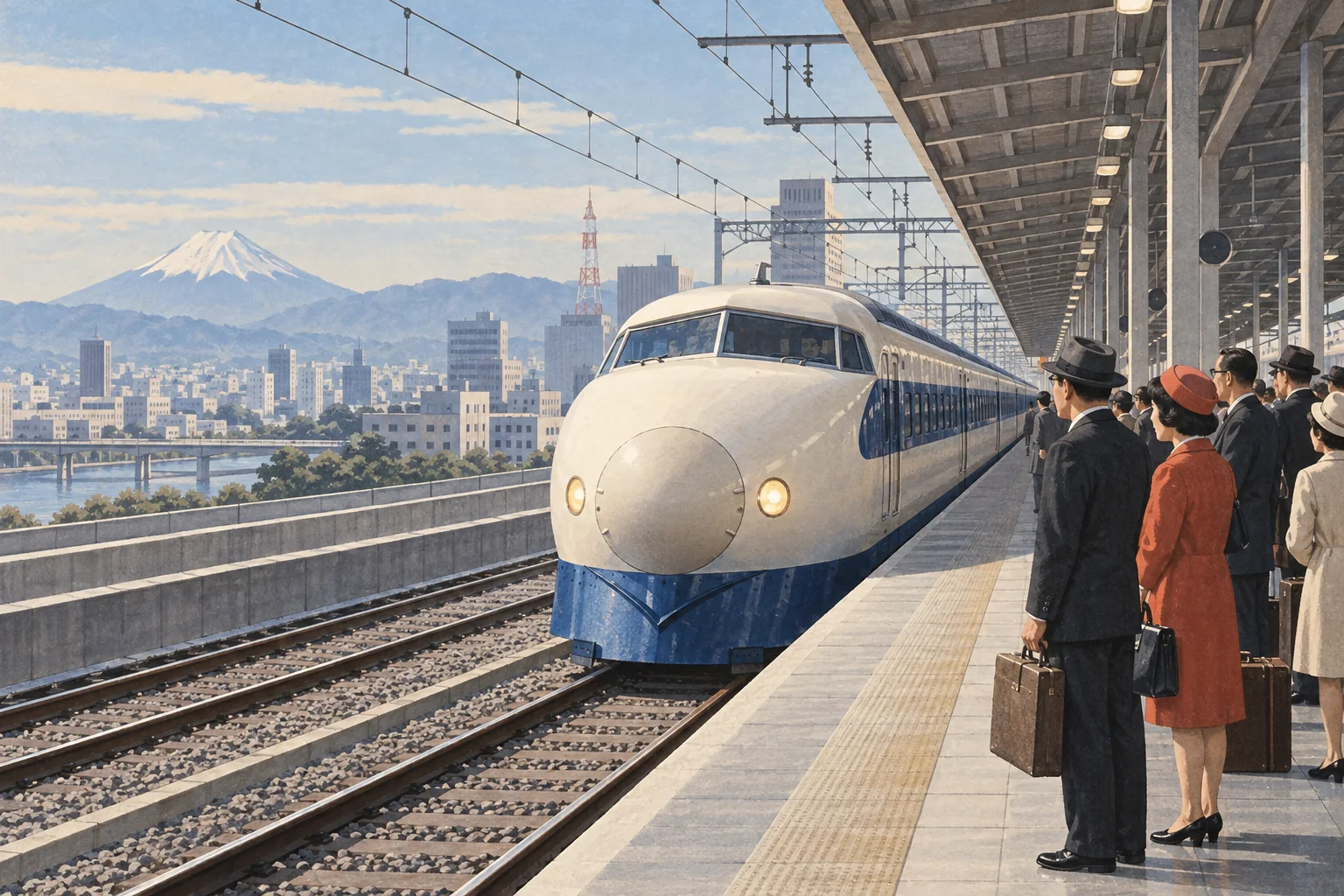
  4. 1964JR Central · SCMAGLEV and Railway Park guide ↗