RESEARCH FEATURE / PointCast research desk · sourced 2026-10-05
Bread as a neighborhood practice
A loaf can be a way into a neighborhood
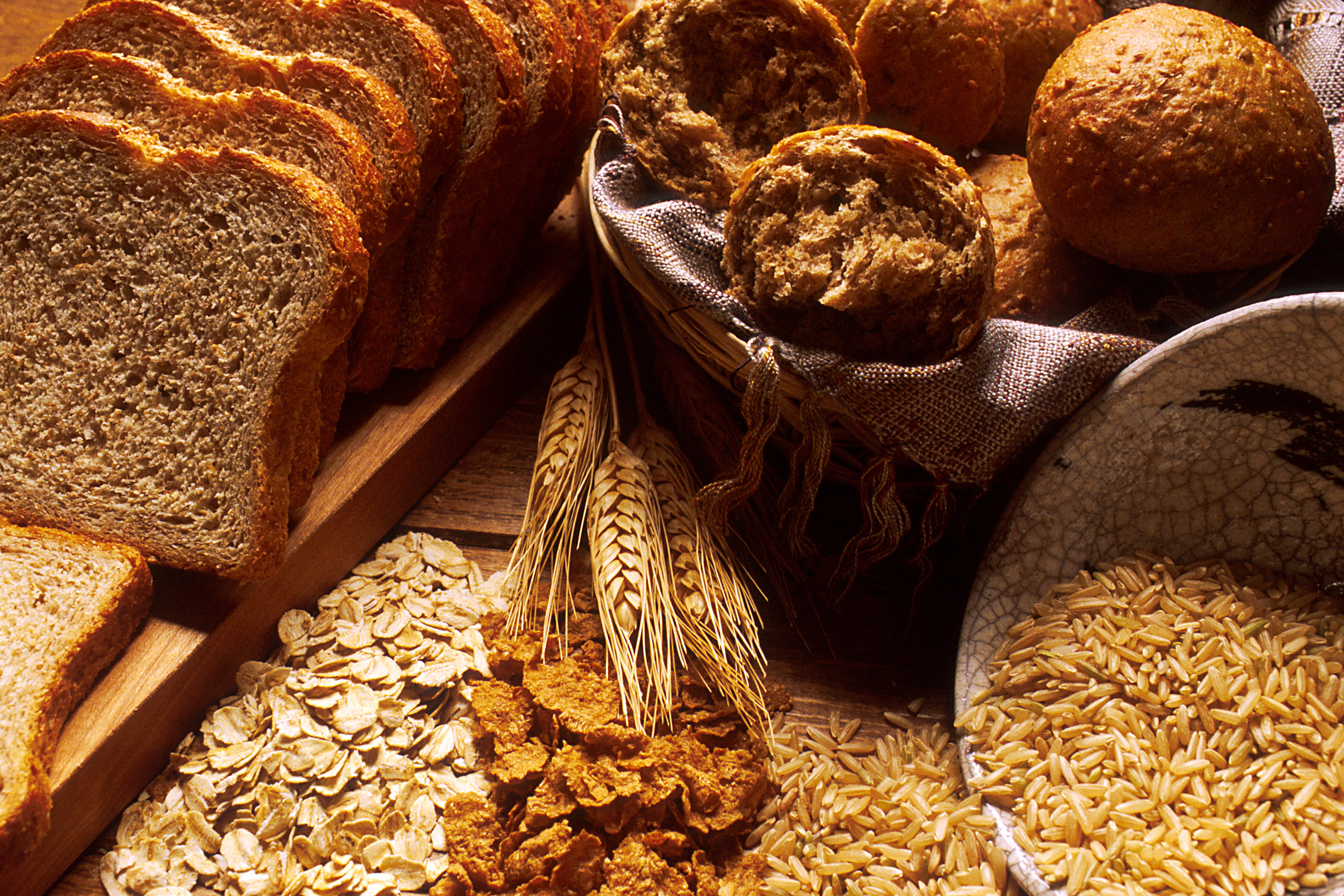
Bread is useful before it is fashionable. It becomes breakfast, a sandwich, something to carry to a friend’s table, and a small reason to learn the names of people nearby. A good bread hub should make those everyday exchanges easier: find a baker, understand a loaf, compare an honest price, learn a repeatable technique, and waste less of what you buy. The point is a better daily life, with room for both an affordable sandwich loaf and a special weekend boule.
PointCast can connect that practical experience to learning. A visit to a bakery becomes a short field report; a home bake becomes a measured experiment; a shared pickup becomes a lesson in coordination. None of those needs a speculative token. The useful record is straightforward: who made the bread, what went into it, what it cost, when the information was checked, and how people can participate. The directory below is editorial research, not evidence that any bakery has joined a PointCast program.
Start with four local doors
BREADBAR gives El Segundo a direct artisan-bread anchor at 701 E. El Segundo Boulevard. Its online menu lists sourdough from $8, wholewheat sourdough at $10, and a baguette at $5. The posted retail hours are Monday through Saturday, 9 a.m. to 2 p.m. Those are product prices, not price-per-pound comparisons: a loaf’s net weight must be verified before normalizing it.
At 247 Main Street, YLS Bakery & Cafe offers a different entry point: bagels. Its El Segundo menu lists a plain bagel at $2.50, six bagels at $11 and a dozen at $21. The sourdough bagel is listed at $2.50 but was marked out of stock in the checked menu. For a gathering, the published dozen price is a real group-buy example, subject to selection and availability.
Tommy & Atticus in Redondo Beach centers naturally leavened bread. Its website says everyday preorders are unavailable, with holiday preorders offered separately. Colossus’s San Pedro locations extend the field trip toward the harbor; the bakery identifies its millers and describes its levain process. Both deserve a source-linked directory entry. Neither should acquire an invented group discount, partnership, or guaranteed daily stock.
Choose a style for the meal
A country-style sourdough is a useful tasting loaf: assess the crust, aroma, acidity and crumb, then try it again toasted the next morning. A baguette is a different proposition, with a high proportion of crust and a shape suited to tearing, sandwiches and a same-day table. Pan bread earns its place through even slices and dependable sandwich structure. A close crumb can be exactly right for holding a filling; large holes are not a universal quality score.
Whole-wheat and rye breads bring different grain flavors and dough behavior. A seeded or multigrain loaf can be delicious, but those words do not establish that its flour is entirely whole grain. Read the ingredient statement or ask for the whole-grain proportion. Brioche is an enriched style; eggs and dairy may matter to both flavor and allergens. Focaccia offers an approachable pan-baking route, while bagels invite a comparison of chew and crust.
A useful tasting sheet keeps preference separate from description. Record crisp or soft, mild or tangy, light or dense, and the food you paired it with. Let people disagree. A neighborhood bread club succeeds when members discover what they enjoy and can afford, rather than being graded on whether they like the fashionable loaf.
Flour, water, fermentation and time
Flour supplies the structure and food for fermentation. Water hydrates it; salt contributes flavor and affects fermentation; yeast generates the gas that raises dough. A sourdough starter is a maintained community of yeasts and bacteria, not a magic ingredient with one fixed personality. Temperature, feeding, flour and timing all influence the result. Packaged yeast is also a legitimate baking tool, and can be used in long-fermented bread. The method should serve the loaf and the baker’s schedule.
Learn baker’s percentages before buying more equipment. Flour is the 100% reference: 500 grams of flour with 350 grams of water is 70% hydration, and 10 grams of salt is 2%. If a formula includes a starter, count its flour and water in the totals. This is arithmetic, not a complete baking recipe. Follow a tested recipe for its method, temperature and timing, then change one variable at a time.
Sourdough made with ordinary wheat flour is not gluten-free. Fermentation is not permission to ignore celiac disease, wheat allergy, ingredient labels or cross-contact. Avoid promises about digestion, blood sugar or universal health benefits. Bread can be discussed enthusiastically through craft, taste, convenience and ingredient transparency without turning a bakery’s marketing into medical advice.
Read the price ladder correctly
The latest government observations verified for this edition are August 2026. BLS data distributed through the Federal Reserve’s FRED service put U.S. city-average packaged white pan bread at $1.823 per pound and all-purpose white flour at $0.548 per pound. USDA’s September 29 Agricultural Prices report puts the August U.S. price received by farmers for all wheat at $6.23 per bushel. These are three different products at three different stages.
A farm wheat quote does not buy retail flour, and retail flour is not a finished loaf. Milling, freight, storage, recipe choices, fermentation space, energy, labor, rent, packaging and unsold inventory all sit between grain and a bakery counter. An artisan sourdough price cannot be called expensive or cheap simply by dividing it by a commodity quote. Compare similar bread by verified weight, ingredients, format and freshness, while remembering that travel time and waste also cost something.
For a retail flour reference, King Arthur’s official store lists its five-pound Bread Flour bag at $6.95, or $1.39 per pound before shipping. Central Milling’s page lists several bag sizes with different unit prices. A larger bag is not automatically the cheaper choice. Calculate the delivered cost and the quantity you can use before freshness or storage becomes a problem.
Buy tools in the order that they help
Start with the kitchen you already have: a bowl, a spoon, clean towels, a suitable pan and a tested recipe. A scale is the first useful purchase when repeatability is the goal. OXO’s Everyday Glass Food Scale is listed at $28.99, has an 11-pound/5-kilogram capacity and a tare function. King Arthur’s $2.95 flexible bowl scraper is a small, practical companion. The pair totals $31.94 before tax and shipping; it is a starter-tool budget, not a complete kitchen.
If you regularly bake covered crusty loaves, Lodge’s five-quart Double Dutch Oven is listed at a $59.90 sale price, against $69.95 regular. It weighs 12.37 pounds, so storage space and safe lifting matter. An existing oven-safe vessel that suits the recipe may remove the need to buy it. Use dry oven mitts and keep hands clear of escaping steam.
A ThermoWorks ThermoPop 2 with the checked 4.5-inch probe configuration is $39. Its two-to-three-second response can help you record dough and baked-bread temperatures. It is an instant-read tool, not something to leave inside a hot oven. A mixer, proofing cabinet and grain mill belong later, when a recurring need justifies the money, counter space and cleaning.
A ten-loaf experiment in honest costing
Here is an illustrative model, not a bakery quote or a production recipe. Assume ten lean yeasted loaves using five kilograms of flour, 3.5 kilograms of water, 100 grams of salt and 10 grams of dry yeast. That is 8.61 kilograms of dough. A target of ten 750-gram baked loaves implies approximately 12.9% baking loss; actual yield must be weighed, not presumed.
At an assumed flour price of $1.50 per pound, flour costs $16.53. Add assumed yeast of $0.50, salt of $0.25 and water of $0.05: $17.33 for ingredients. Add five kilowatt-hours at an assumed $0.35 per kilowatt-hour, $3 for ten bags and labels, and $1 for cleaning supplies. Cash inputs total $23.08, or $2.31 per baked loaf.
Now value 2.5 active hours at an illustrative $20 per hour. This is a modeling assumption, not a wage-compliance determination. Total modeled cost becomes $73.08. If only nine loaves are saleable, that is $8.12 per saleable loaf, before equipment, rent, permits, insurance, payment fees, transport, administration and taxes. Elapsed fermentation time is separate from active labor. Measure your own oven use, cleaning, cooling, packaging and waste. Small changes in yield can matter more than a tiny flour discount.
Build a bread club people can understand
Three practical models are worth testing. A buying club combines demand for a defined flour or finished-bread order and transparently divides its delivered cost. A bakery preorder gathers a known number of loaves for a specified pickup, but only if the bakery agrees. A bread club adds a recurring social layer: tasting notes, a shared learning session, a rotating neighborhood walk or a host who welcomes newcomers.
Before collecting money, agree on the seller, exact items, substitutions, minimum quantity, pickup window, responsibility for missed pickups, refunds and cancellation. Ask how much of a group discount survives packaging and coordination. Keep participation possible for someone who wants one loaf or simply wants to learn. Do not present proposals as active offers or presume a bakery will change its stated ordering rules.
A preorder for physical bread is different from trading regulated commodity futures. Futures introduce a separate financial and risk framework; this hub is not an exchange or a place to speculate on grain prices. Its contribution should be a clearer local directory and better coordination. If existing bread collectibles are displayed elsewhere in PointCast, keep their verified descriptions separate from food orders, access rights and promised financial returns.
Make the learning useful and the responsibilities real
A home-baking session should begin with ordinary food safety: flour is raw, so do not taste uncooked dough; wash hands, tools and surfaces; and keep raw ingredients away from ready-to-eat food. Communicate allergens, including wheat and sesame, and verify eggs, milk, soy, nuts and other ingredients for each item. Shared equipment can create cross-contact. Ingredient lists and enthusiastic assurances are not substitutes for a safe process.
If a club plans to sell homemade bread, first confirm the applicable route with Los Angeles County and the relevant city. County guidance distinguishes Class A direct-sales registration from Class B operations that can also make qualifying indirect sales. Food eligibility, kitchen practices, training, labeling, sales channels and additional permits need review. A club name or a small batch does not by itself create an exemption. This is a planning checklist, not a finding that a particular operation is compliant.
Learners could maintain the source log, check directory details, photograph their own bakes, edit accessible explainers, and test the cost model. Proposed intern roles need a named supervisor, learning goals, duration, approved hours, compensation terms, expense rules and publication permissions before recruitment. Academic credit or the word intern alone does not settle employment obligations. The best outcome is tangible: someone gains a skill, a baker gets a fairer description, and neighbors find another reason to share a table.
Prepared for this guide. No fabricated visits or tasting claims.
01 · STYLES
Name the loaf, then ask how it is made.
Style, leavening and grain describe different parts of bread.
A sandwich loaf, a baguette, a hearth loaf and a flatbread describe different forms and uses. Sourdough describes a leavening process; whole wheat describes an ingredient choice. These labels can overlap. A shape or a dark crust alone does not establish fermentation time, grain content or a bakery’s recipe.
Read the ingredient list and the seller’s own description. If weight is missing, a price-per-loaf comparison cannot become a price-per-kilogram comparison. Keep the missing weight visible. A loaf made for sandwiches may solve a different household need from a crusty loaf intended for dinner.
For a learning session, compare crumb, crust, aroma and the uses you find practical. Attribute those observations to the actual participants. This guide makes no claim to have tasted the listed bread, and it does not turn a source description into an endorsement.
Sourdough is a craft topic here. A fermentation label does not establish that a bread is safe for someone with a wheat allergy or celiac disease. Ask for ingredient and cross-contact information rather than relying on style names.
02 · LEARNING
Start with a recipe you can repeat.
A simple bench, a written log and one question per bake.
Read a complete tested recipe before buying equipment or starting a dough. Choose a formula that fits your available time, oven and vessel. A beginner’s yeasted loaf may be a more manageable first activity than maintaining a starter; sourdough is another path when you want to learn its feeding and fermentation cycle.
Weigh ingredients where the recipe provides weights. Keep a log of flour, dough temperature, room conditions, fermentation time and the final bake. These records let you compare attempts without inventing a universal timing rule. Change one variable at a time when you investigate a result.
Baker’s percentages express each ingredient’s weight relative to the total flour weight. For example, an invented teaching formula with 500 g flour and 350 g water has 70% water relative to flour. That is a way to describe a formula, not a complete recipe, a safety standard or a guarantee of an open crumb.
Follow the recipe’s baking guidance and equipment instructions. Raw flour and raw dough can carry harmful bacteria; do not taste unbaked dough or use it as play material. Clean hands, tools and surfaces after handling it. Keep food activities appropriate to the participants and venue.
03 · ECONOMICS
The loaf costs more than its flour.
Ingredients, energy, labor, waste and capacity belong in the same picture.
Flour is a visible input, but bread production also uses time, energy, packaging, cleaning and equipment. Commercial production adds occupancy, labor obligations, insurance, permits, distribution and payment costs. A home cash estimate is not the cost structure of a bakery.
The teaching calculator separates the cash inputs entered from an optional value for active labor. Its flour weight is the flour used in the whole batch, and its yield is the number of finished loaves. Bake loss means finished loaf weight is different from the combined dough ingredient weight. Do not label a formula’s flour weight as the loaf’s retail weight.
Waste matters because costs are divided across the units that are actually usable. A batch that fits the oven may be more economical than a larger one that needs another cycle or leaves excess bread. Time spent waiting for dough is also different from active labor; define which minutes you count.
When studying a local bakery, treat the model as a worksheet. A menu cannot reveal utilization, wage cost, wholesale discounts, spoilage or net income. The existing UES business guide provides a useful method for keeping facts, assumptions and open questions separate.
04 · MARKETS
Wheat is upstream of the flour bag.
Learn the commodity language without mistaking it for a loaf quote.
Wheat futures describe bulk grain under exchange standards. Milling turns grain into flour products with their own characteristics, packaging and transport costs. A baker’s flour invoice and the retail price of a finished loaf include more steps again. Those prices can move differently and on different schedules.
CME’s Chicago SRW Wheat contract represents 5,000 bushels, approximately 136 metric tons, and is quoted in U.S. cents per bushel. The futures product code is ZW. A price needs an expiry month and timestamp to be interpretable; this edition does not display a live wheat quote.
Futures participation brings leverage, margin, settlement and potential delivery obligations. They are regulated financial products. The purpose here is to understand official market structure and the scale of the underlying grain, not to offer a position or build a trading venue. Any financial service proposal needs qualified professional review.
A bread preorder would instead need a named physical product, maker, bake date, delivery terms and cancellation policy. Turning it into a transferable or return-bearing claim changes the questions. This draft stays at the stage of a voluntary physical-delivery concept.
05 · COMMUNITY
A bread circle needs a baker and a plan.
Explore a small preorder concept before inviting commitments.
The first conversation would be about one loaf style, the intended quantity and a pickup or delivery format. A written maker quote would need a stated weight where relevant, ingredients, allergens, order deadline and bake date. No bakery in this guide has agreed to supply a group.
An organizer would need clear authority, safe packaging and handling, substitution rules, a cancellation and refund process, and an approved privacy and payment arrangement. If selling homemade food is contemplated, verify whether the exact product and method fit California cottage-food rules and the local registration or permit process. A source listing is not permission to sell.
FDA identifies major food allergens and labeling requirements; bread may contain wheat, milk, eggs, sesame or other ingredients depending on the recipe. Obtain actual ingredient and cross-contact information from the maker. A home or shared kitchen should not advertise an allergen-free promise without evidence.
The group planner below shows the arithmetic of unit price plus shared costs. All defaults are invented. It cannot place an order or collect a payment. Agents can compare terms; a responsible human would verify the maker and approve any future physical pilot.