Global Barter / Africa & the Middle East / G015
Africa & the Middle East · Southern Mesopotamia, Iraq · G015
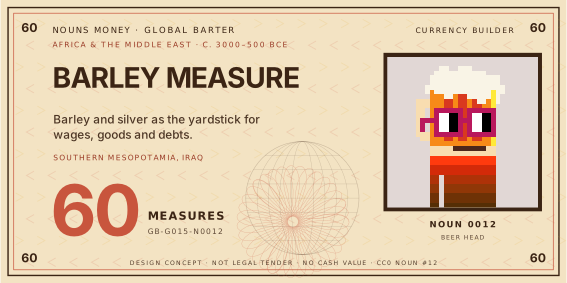
Barley Measure
Barley and silver as the yardstick for wages, goods and debts.
Security Edition v2
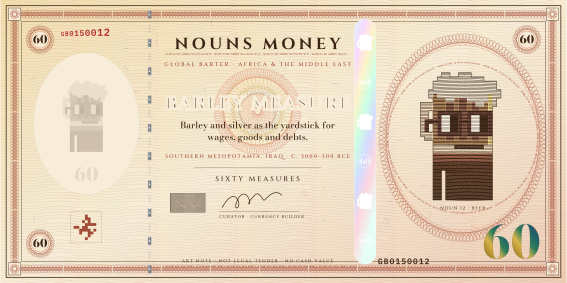
The same note set like a banknote: full engraved portrait of Noun #12, guilloche, watermark, thread, foil stripe and microtext, all printed art. What's on it
The tradition · c. 3000–500 BCE
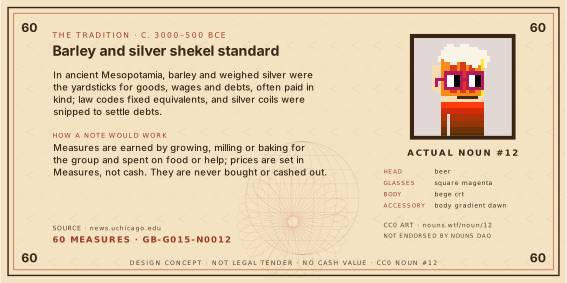
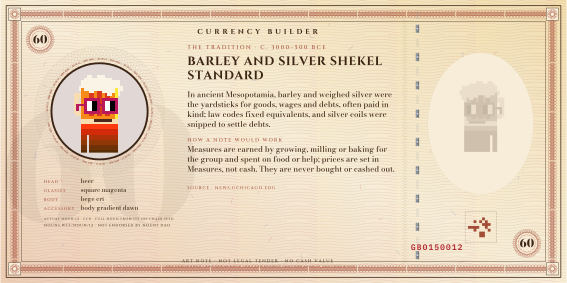
Barley and silver shekel standard
In ancient Mesopotamia, barley and weighed silver were the yardsticks for goods, wages and debts, often paid in kind; law codes fixed equivalents, and silver coils were snipped to settle debts.
How a note would work
Measures are earned by growing, milling or baking for the group and spent on food or help; prices are set in Measures, not cash. They are never bought or cashed out.
Design concept inspired by this tradition, not issued by or for the people who keep it. Not legal tender, not for sale, no cash value, no redemption and no investment rights.
- PlaceSouthern Mesopotamia, Iraq
- Erac. 3000–500 BCE
- RegionAfrica & the Middle East
- UnitMeasure · Measures
- Face value60 Measures
- SerialGB-G015-N0012
- NounActual Noun #12 ↗
- Why this NounMesopotamia's barley was also brewed into beer, and beer rations were a common way to pay workers.
- Headbeer
- Glassessquare magenta
- Bodybege crt
- Accessorybody gradient dawn
- Seedbg 1 · body 1 · acc 17 · head 11 · glasses 12