Global Barter / Europe / G022
Europe · Iceland · G022
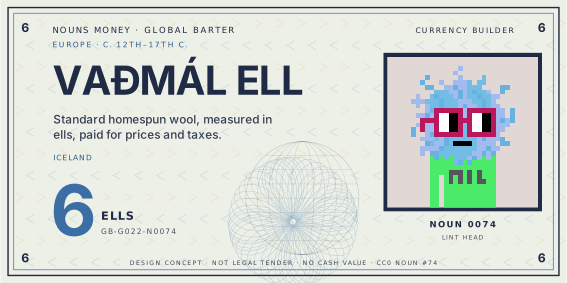
Vaðmál Ell
Standard homespun wool, measured in ells, paid for prices and taxes.
Security Edition v2
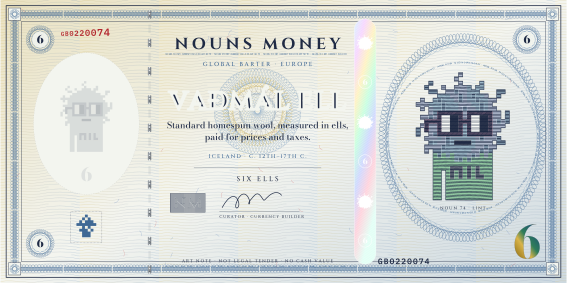
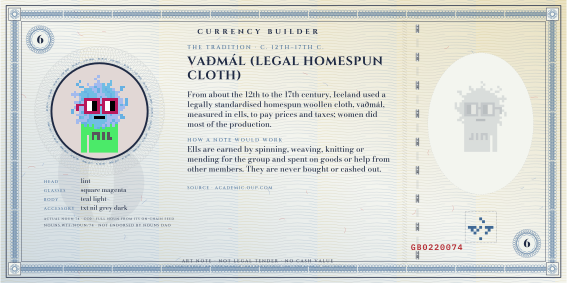
The same note set like a banknote: full engraved portrait of Noun #74, guilloche, watermark, thread, foil stripe and microtext, all printed art. What's on it
The tradition · c. 12th–17th c.
Vaðmál (legal homespun cloth)
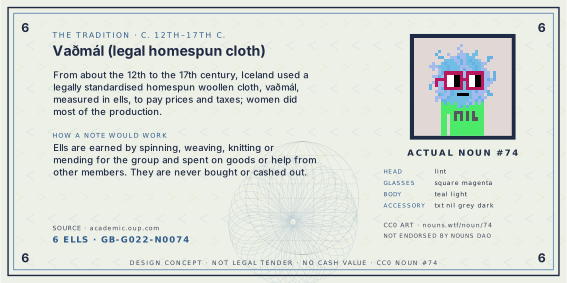
From about the 12th to the 17th century, Iceland used a legally standardised homespun woollen cloth, vaðmál, measured in ells, to pay prices and taxes; women did most of the production.
Source: Silver, Butter, Cloth: Monetary and Social Economies in the Viking Age (Oxford University Press) ↗
How a note would work
Ells are earned by spinning, weaving, knitting or mending for the group and spent on goods or help from other members. They are never bought or cashed out.
Design concept inspired by this tradition, not issued by or for the people who keep it. Not legal tender, not for sale, no cash value, no redemption and no investment rights.
- PlaceIceland
- Erac. 12th–17th c.
- RegionEurope
- UnitEll · Ells
- Face value6 Ells
- SerialGB-G022-N0074
- NounActual Noun #74 ↗
- Why this NounLint is what woven wool leaves behind, a fluffy tribute to the women who made the cloth.
- Headlint
- Glassessquare magenta
- Bodyteal light
- Accessorytxt nil grey dark
- Seedbg 1 · body 27 · acc 117 · head 117 · glasses 12