Global Barter / Africa & the Middle East / G008
Africa & the Middle East · Ethiopian highlands, Ethiopia · G008
Amole Bar
A bar of rock salt as small change, worth more the farther it went.
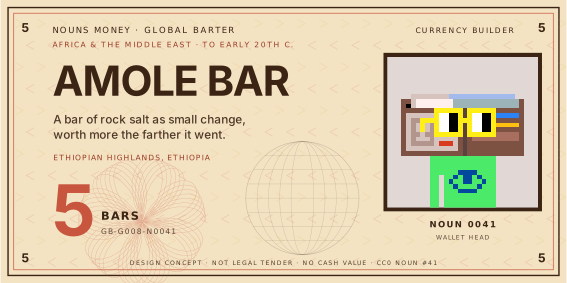
Security Edition v2
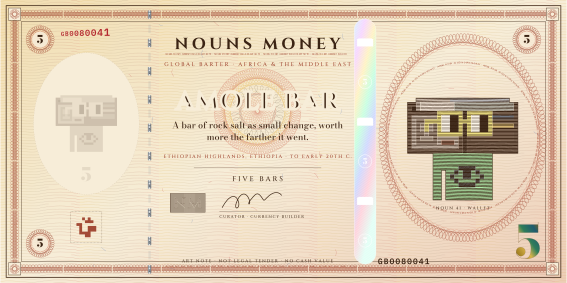
The same note set like a banknote: full engraved portrait of Noun #41, guilloche, watermark, thread, foil stripe and microtext, all printed art. What's on it
The tradition · to early 20th c.
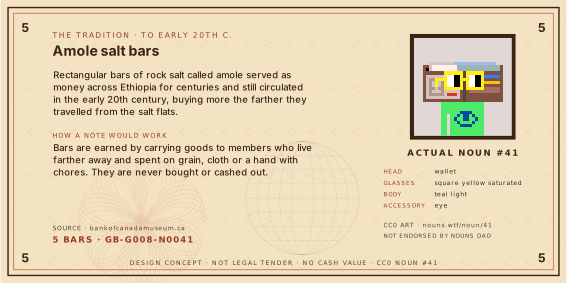
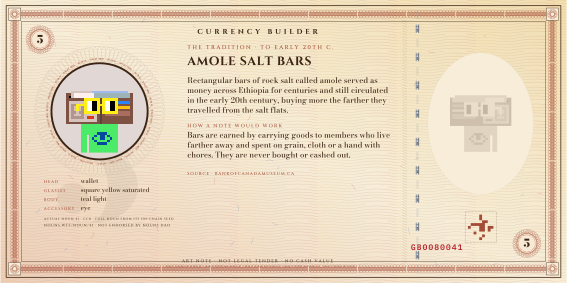
Amole salt bars
Rectangular bars of rock salt called amole served as money across Ethiopia for centuries and still circulated in the early 20th century, buying more the farther they travelled from the salt flats.
Source: Ethiopia, 1 amoli – National Currency Collection (Bank of Canada Museum) ↗
How a note would work
Bars are earned by carrying goods to members who live farther away and spent on grain, cloth or a hand with chores. They are never bought or cashed out.
Design concept inspired by this tradition, not issued by or for the people who keep it. Not legal tender, not for sale, no cash value, no redemption and no investment rights.
- PlaceEthiopian highlands, Ethiopia
- Erato early 20th c.
- RegionAfrica & the Middle East
- UnitBar · Bars
- Face value5 Bars
- SerialGB-G008-N0041
- NounActual Noun #41 ↗
- Why this NounAmole bars were pocket change, and a wallet with a watchful eye is where you would keep them.
- Headwallet
- Glassessquare yellow saturated
- Bodyteal light
- Accessoryeye
- Seedbg 1 · body 27 · acc 50 · head 220 · glasses 20