Global Barter / The Americas / G075
The Americas · Knife River, North Dakota, USA · G075
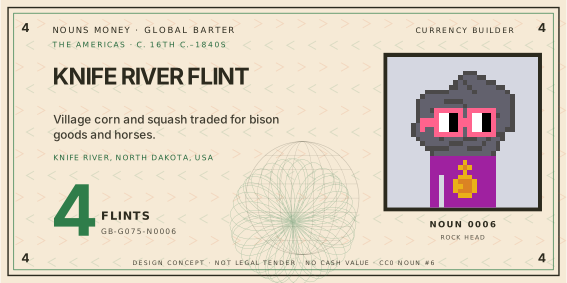
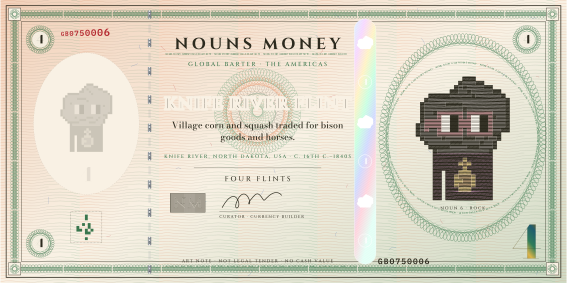
Knife River Flint
Village corn and squash traded for bison goods and horses.
Security Edition v2
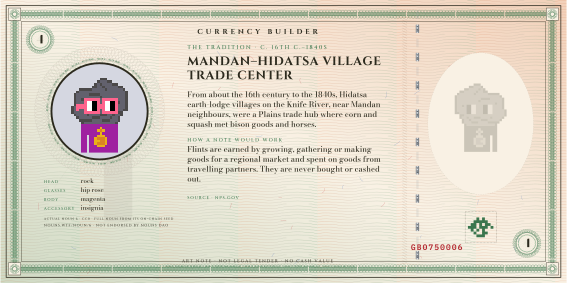
The same note set like a banknote: full engraved portrait of Noun #6, guilloche, watermark, thread, foil stripe and microtext, all printed art. What's on it
The tradition · c. 16th c.–1840s
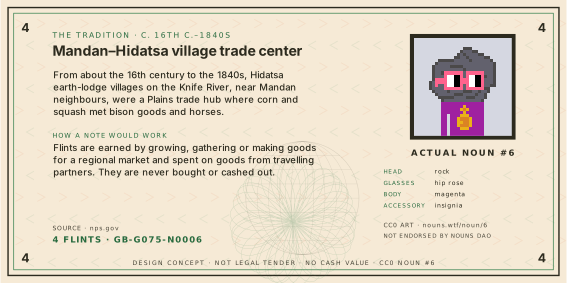
Mandan–Hidatsa village trade center
From about the 16th century to the 1840s, Hidatsa earth-lodge villages on the Knife River, near Mandan neighbours, were a Plains trade hub where corn and squash met bison goods and horses.
Source: Knife River Indian Villages National Historic Site (National Park Service) ↗
How a note would work
Flints are earned by growing, gathering or making goods for a regional market and spent on goods from travelling partners. They are never bought or cashed out.
Design concept inspired by this tradition, not issued by or for the people who keep it. Not legal tender, not for sale, no cash value, no redemption and no investment rights.
- PlaceKnife River, North Dakota, USA
- Erac. 16th c.–1840s
- RegionThe Americas
- UnitFlint · Flints
- Face value4 Flints
- SerialGB-G075-N0006
- NounActual Noun #6 ↗
- Why this NounKnife River flint, the stone itself, was one of the villages' most prized trade goods.
- Headrock
- Glasseship rose
- Bodymagenta
- Accessoryinsignia
- Seedbg 0 · body 17 · acc 61 · head 178 · glasses 0