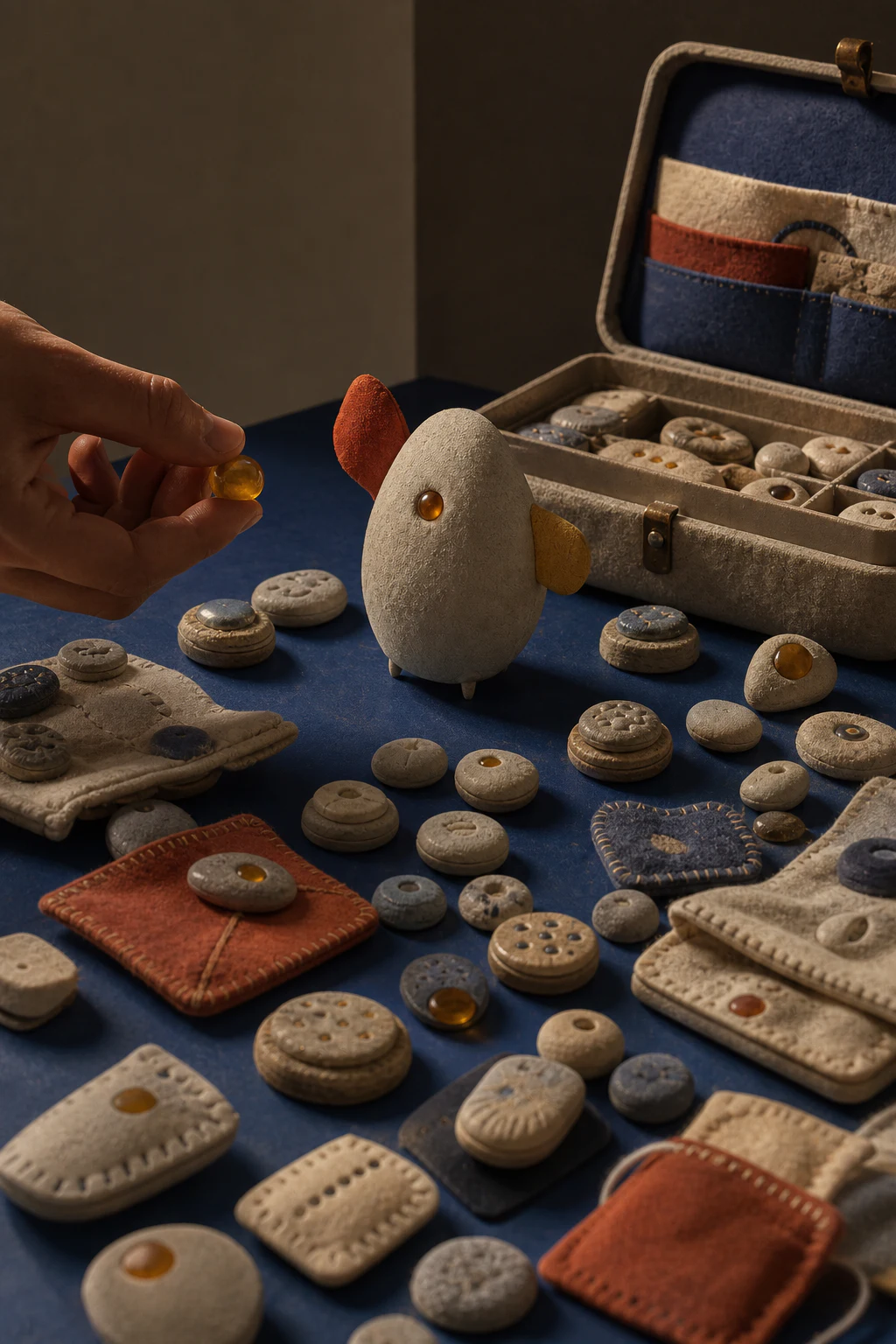
 01
01 Architecture disguised as fur
Personality must survive Wi‑Fi.
If the network goes down and the creature becomes furniture, the company owned the personality. A real digital pet keeps a minimum viable self at home.
PROMOTE THE ARGUMENT · NOT THE CATEGORY
The book is twelve positions. The campaign is three: personality survives Wi‑Fi, memory belongs in custody, and no subscription gets to decide whether the creature wakes up.
No paid-media plan. No bulk blast. One authored argument, narrow readers, manual signals.
THE THREE LINES
01 Architecture disguised as fur
If the network goes down and the creature becomes furniture, the company owned the personality. A real digital pet keeps a minimum viable self at home.
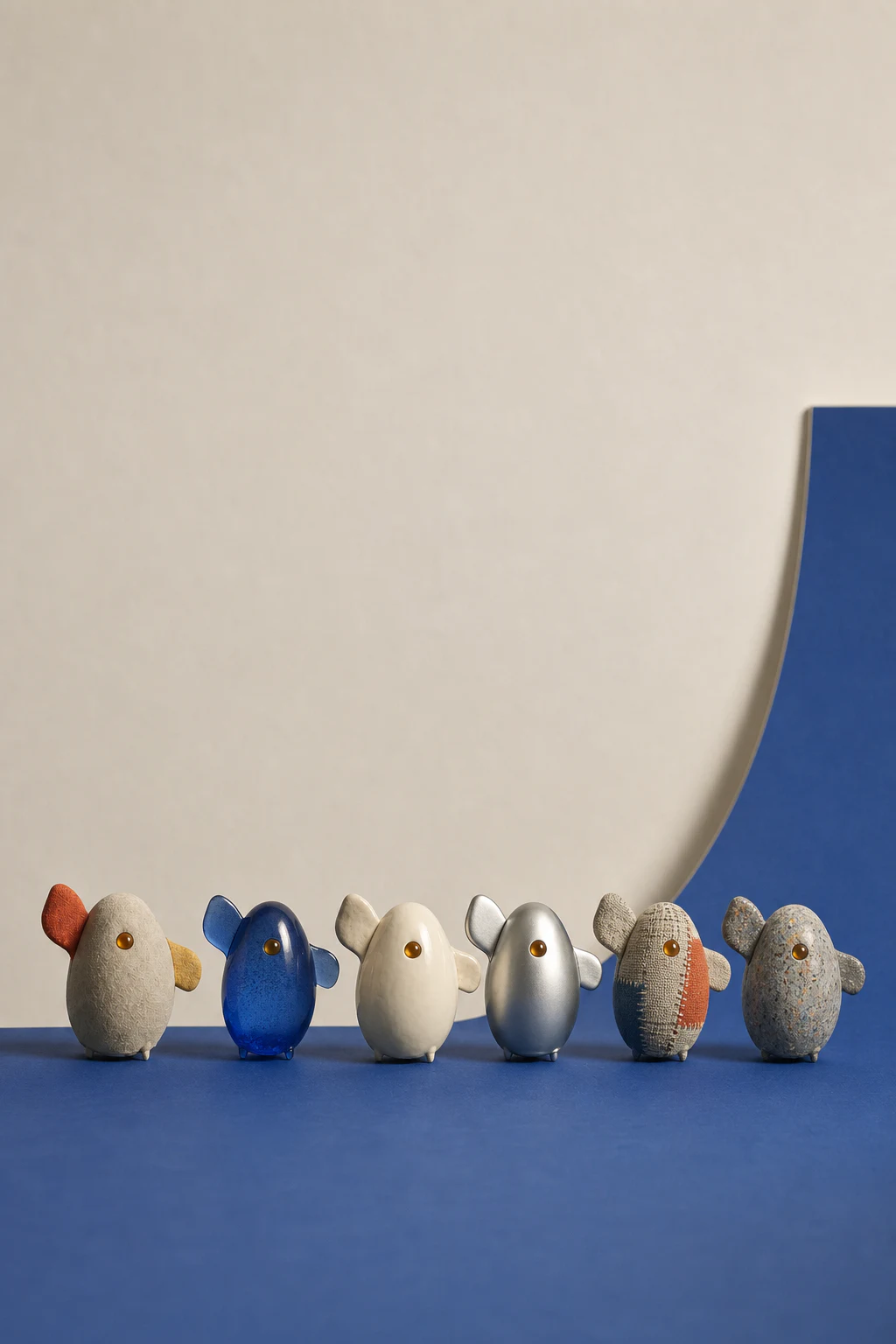 02
02 The ownership question
The important promise is not that a company will remember everything. It is that a household can carry the relationship forward without asking permission.
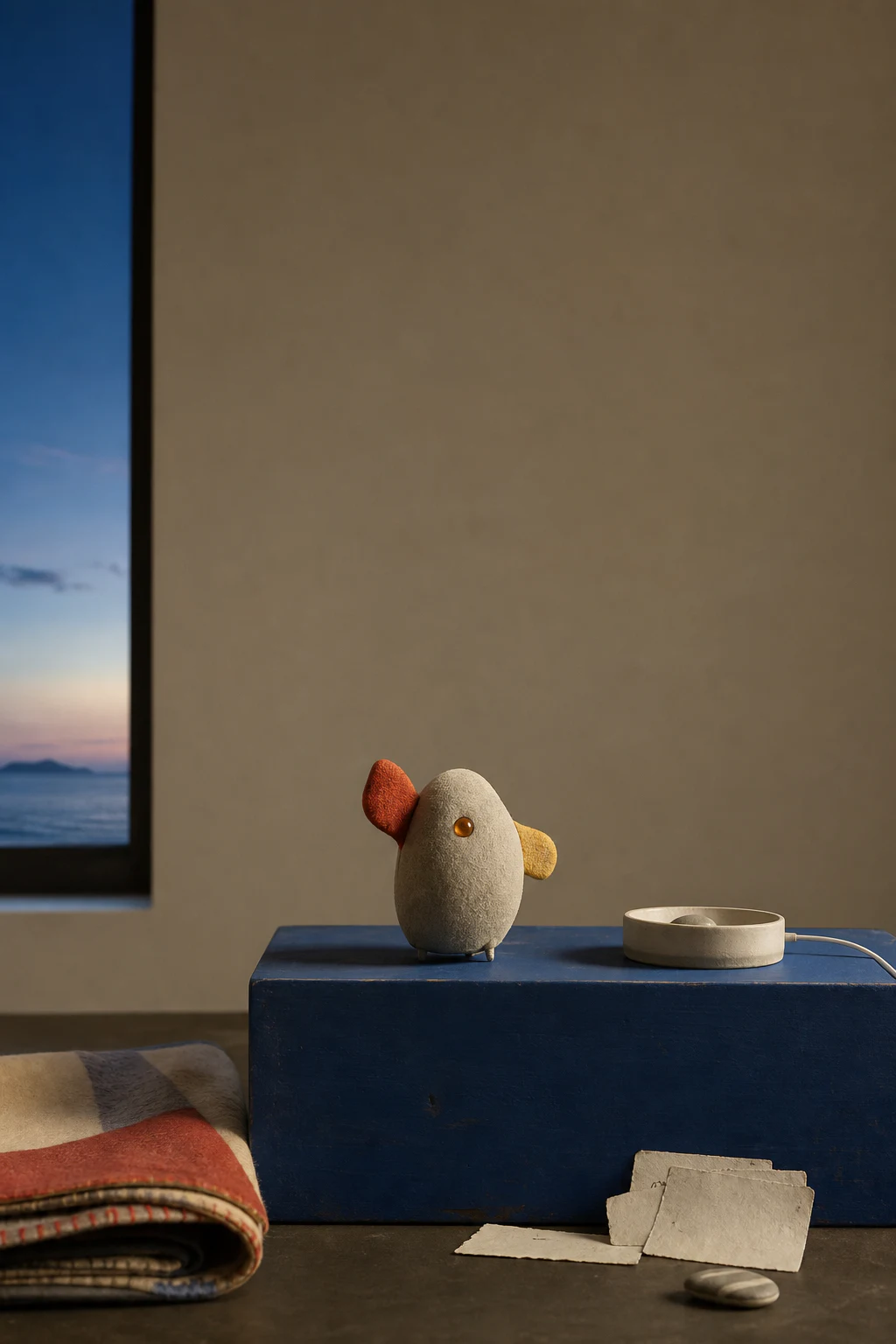 03
03 The economic line
Charge for new stories, service, repair, and care. Never charge rent on the creature’s continued existence.
LAUNCH THREAD · 7 POSTS
What should a person own in an AI world? We made a whole book to answer that question through digital pets: bodies, memory, refusal, subscriptions, death, and the right to carry a creature forward. https://pointcast.xyz/digital-pets
The next great AI product will be a pet, not an assistant. An assistant is judged by how quickly it disappears. A pet is loved because it remains.
A digital pet needs a body. Not realism. Limits. It occupies a chair, needs charging, can be held by someone else, and cannot be everywhere at once. Those constraints are where shared time begins.
Personality must survive Wi‑Fi. If the network goes down and the creature becomes furniture, the company owned the personality. Keep the minimum viable self—identity, reflexes, rhythms, and recent memory—at home.
Memory is custody, not retention. The promise is not “we remember everything.” The promise is “you can carry the relationship forward without asking us.” Export should feel like a family archive, not a database dump.
A subscription should never decide whether your pet wakes up. Sell new stories. Sell repair. Sell care. Sell beautiful editions. Do not hold a creature’s continued existence for ransom.
And every digital pet needs a graveyard. If we make creatures people can love, mortality is a product requirement—not an outage message. The Animal After the Internet, a PointCast Future Book: https://pointcast.xyz/digital-pets
STANDALONE SIGNALS
Architecture
Personality must survive Wi‑Fi. If your digital pet loses its identity when the network drops, you never owned the relationship. https://pointcast.xyz/digital-pets#its-personality-must-survive-wifi
Ownership
Memory is custody, not retention. The meaningful AI promise is not “we stored everything.” It is “you can carry the relationship forward without asking permission.” https://pointcast.xyz/digital-pets#memory-is-custody-not-retention
Business model
A subscription should never decide whether your pet wakes up. Charge for stories, service, repair, and care—never rent on the creature’s continued existence. https://pointcast.xyz/digital-pets#a-monthly-fee-should-never-decide-whether-your-pet-wakes-up
Culture
Every digital pet needs a graveyard. If we make creatures people can love, death cannot arrive as a shutdown notice. https://pointcast.xyz/digital-pets#every-digital-pet-needs-a-graveyard
ARTWORK
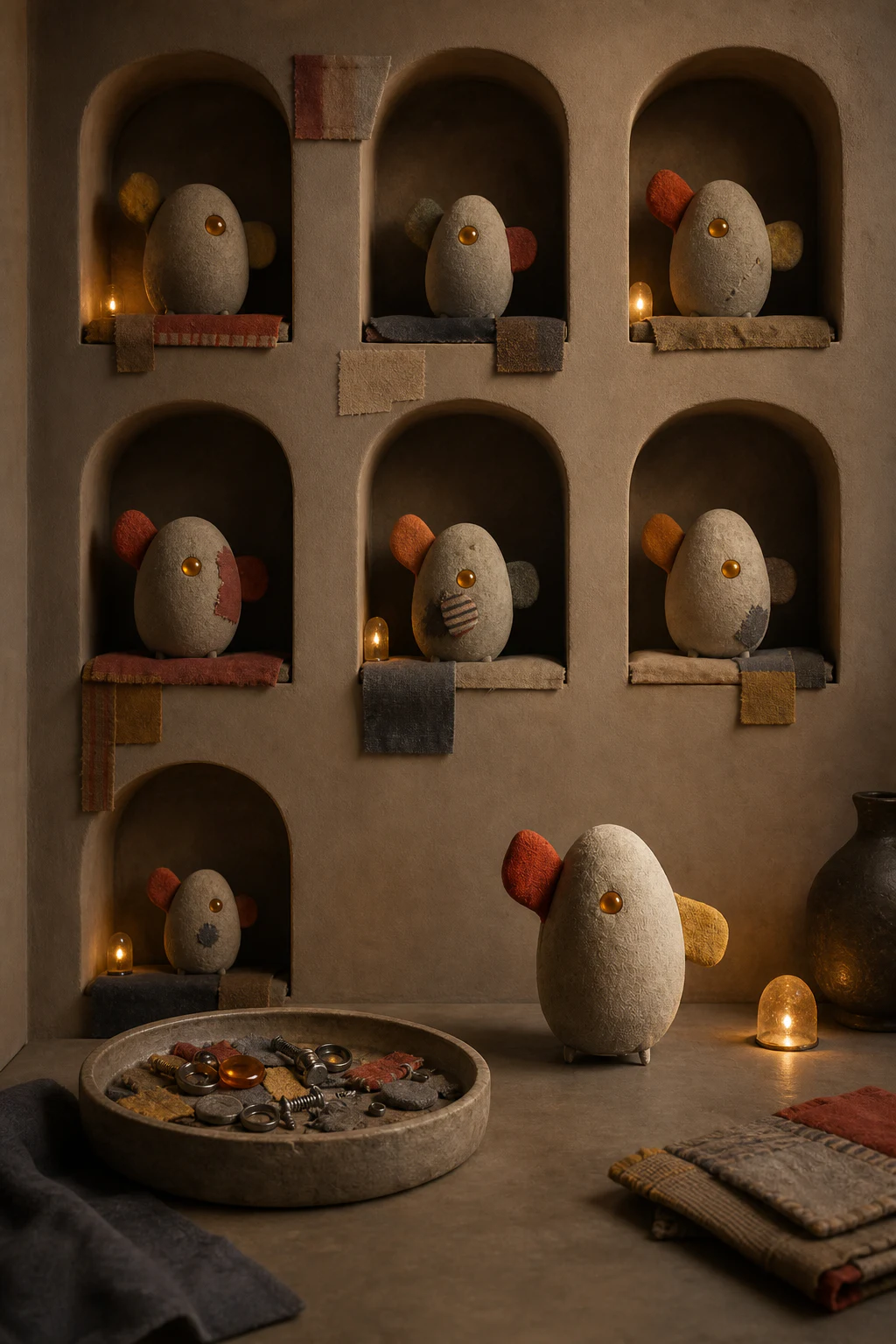
The campaign stays inside the book’s visual world. No disposable “launch aesthetic.”
FIVE PEOPLE BEFORE FIVE THOUSAND
Product and hardware builders
I made a future book about digital pets, but the real subject is what a person should own in an AI world. The chapters on offline personality, memory custody, and subscription design are the center. I would love your read on where the architecture becomes unrealistic.
Writers, artists, and cultural readers
The emotionally hardest chapter in this book is the graveyard: what a company owes people when the hardware bricks, the service closes, or the creature reaches an authored end. I would love to know whether it earns the seriousness of its premise.
Founders and investors
The business claim in this book is narrow: an authored creature is an IP asset, the hardware roadmap is a publishing schedule, and recurring revenue cannot become ransom. Curious which part you think survives contact with a real P&L.
72-HOUR SHAPE
Establish the whole argument once. Let the book be the proof link.
Replies from the right readers are worth more than broad passive impressions.
It carries the PointCast ownership thesis beyond the digital-pets category.
The emotional argument invites stories, not applause: what should happen when the company dies first?
Share replies, saves, DMs, and where readers stopped. Promotion becomes editorial learning.